Electric Hot Pot UK: Review for Small Spaces and…

#ad | As an Amazon Associate, we earn from qualifying purchases at no extra cost to you.
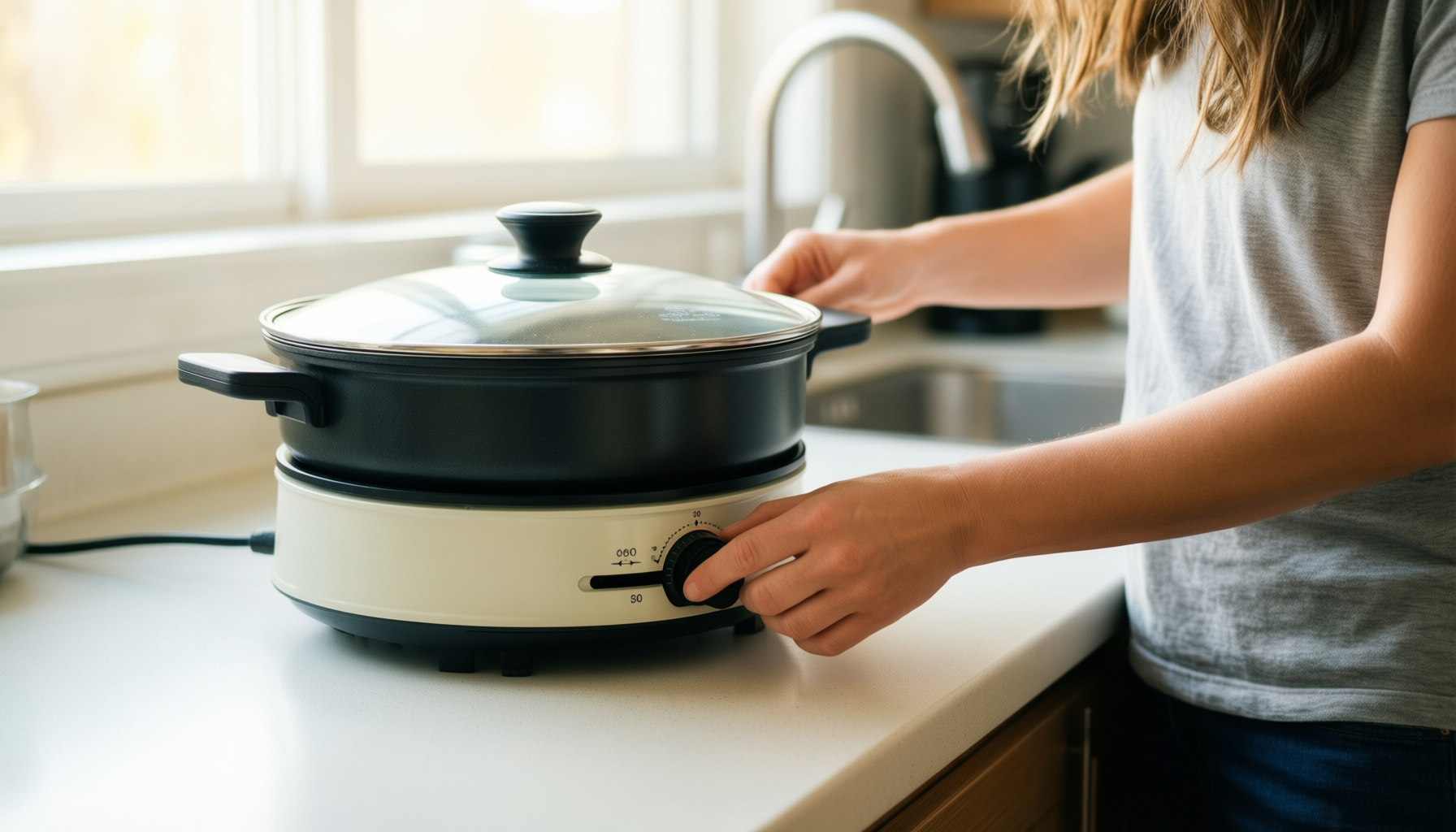
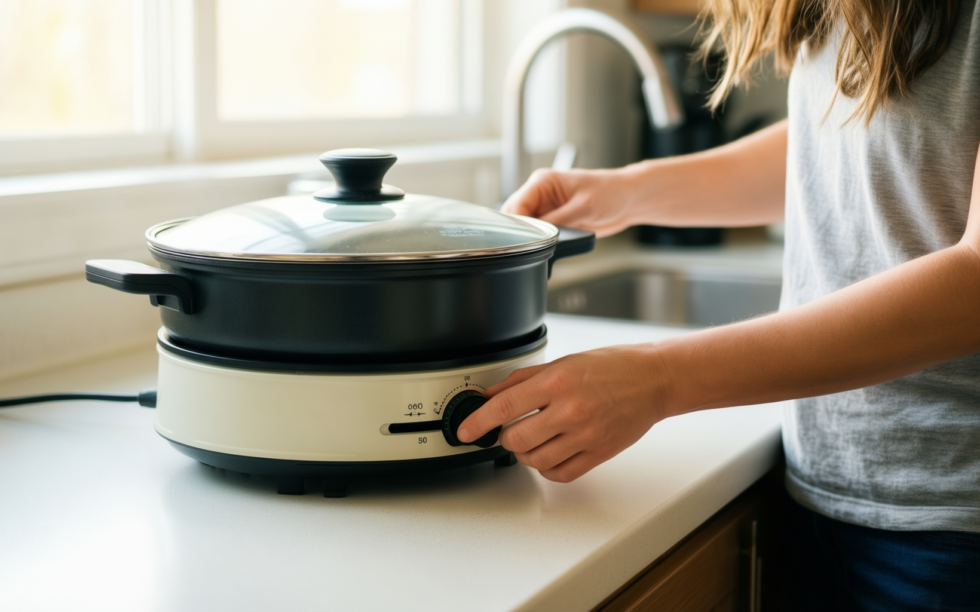
This compact appliance addresses the specific challenge of preparing single-serve meals in UK spaces where stovetop access is limited or non-existent. The standout feature is its dual power control, allowing users to switch between 250W for gentle simmering and 600W for rapid boiling, which is crucial for cooking ramen or oatmeal efficiently. However, the 1.6L capacity is a strict limitation, meaning it cannot accommodate large family portions or bulky ingredients like whole chickens.
Verdict: This product is best for students, singles, or couples in small flats who need a dedicated, plug-in solution for quick, healthy meals without occupying a gas or electric hob. It is not suitable for households that regularly cook for three or more people or require the ability to cook large, whole ingredients.
🛒 Check Price on Amazon →✓ See today's price & reviews
Solving the 10-Minute Ramen Dilemma in Small UK Kitchens
The primary frustration for many residents in UK student accommodations or studio flats is the lack of available burner space. When you want a quick bowl of ramen or a simple soup, waiting for a shared stovetop to free up can be a significant barrier to eating a hot, fresh meal. This product addresses that pain point by offering a standalone cooking solution that requires no external heat source. You simply plug it in, add water and ingredients, and begin cooking immediately. This independence is particularly valuable during peak dinner hours when communal kitchens are crowded.
The 1.6L capacity is specifically calibrated for individual servings, ensuring that the heating element can bring water to a boil quickly without the thermal inertia of a larger pot. Unlike standard 2.5L or 3L stockpots that take significantly longer to heat up, this smaller volume allows for faster energy transfer. This means you can boil water for instant noodles in a fraction of the time it would take on a standard hob, especially if the burner is shared or if you are using a lower-power electric ring. The efficiency of this design makes it ideal for the “10-minute meal” scenario that is common in busy urban lifestyles.
For those who frequently cook oatmeal, porridge, or soft-boiled eggs, the consistent heat distribution of the stainless steel base is a practical advantage. The dual power settings allow you to start at 600W to bring the water to a boil rapidly, then switch to 250W to maintain a gentle simmer without scorching the ingredients. This level of control is often missing in simpler single-setting electric kettles or basic mini-cookers. By managing the temperature yourself, you avoid the common issue of oatmeal sticking to the bottom or eggs overcooking, resulting in a more consistent and enjoyable eating experience.
The Advantage of Dual Power Settings
The inclusion of two distinct power levels is a functional feature that sets this model apart from basic single-dial appliances. The 600W setting is designed for the initial heating phase, where the goal is to reach boiling point as quickly as possible. This is essential for noodles and pasta, which require a vigorous boil to cook evenly. Once the water is boiling, you can reduce the power to 250W to prevent the contents from bubbling over or burning.
The 250W setting is equally important for delicate tasks like making porridge or warming up soup. At this lower wattage, the heat is gentle enough to cook grains slowly without creating a thick, stuck-on layer at the bottom of the pot. This versatility means you do not need to rely on a separate pot for simmering and another for boiling. The ability to adjust the power directly on the unit provides a level of control that mimics a gas hob, making the cooking process more intuitive and less prone to error.
Suitability for Student Accommodation
In the context of UK student housing, where kitchen facilities are often shared and strictly regulated, this appliance offers a compliant and convenient alternative. Many halls of residence prohibit the use of high-wattage appliances or limit the number of items on the hob to prevent fire hazards. A 600W electric hot pot is generally within the acceptable power limits for most student accommodations, making it a safe and practical choice. It allows students to prepare their own meals without relying on the communal kitchen, which can be a source of stress and inconvenience.
The compact size of 20x20x16.5 cm means it can be easily stored in a small cupboard or on a desk when not in use. This is a significant advantage in small living spaces where every square inch of counter space is valuable. The lightweight design, at just 0.91kg, also makes it easy to move around, whether you are cooking in the kitchen, at your desk, or in a shared lounge area. This portability enhances its utility for students who may need to cook in different locations throughout the day.
Who Should Skip This Product
While this appliance excels at single-serve convenience, it has clear limitations that make it unsuitable for certain users. Understanding these constraints is essential before purchasing.
1. Households Cooking for Three or More People The 1.6L capacity is a hard limit that cannot be exceeded without risking overflow or uneven cooking. If you regularly cook for three or more people, this pot will be insufficient for preparing main dishes like soups, stews, or pasta. You would need to cook multiple batches, which defeats the purpose of using a quick-cooking appliance. For family meals, a standard 5L or larger stockpot on a full-sized hob is a more practical and efficient choice.
2. Users Requiring Large-Ingredient Cooking The physical size of the pot means that large ingredients will not fit. You cannot cook a whole chicken, a large fish, or even a standard loaf of bread in this appliance. The interior dimensions are designed for smaller, individual portions. If you are looking for a versatile cooker that can handle a wide range of ingredients and portion sizes, you should look for a larger multi-cooker or a traditional stovetop setup.
3. Those Needing High-Volume Batch Cooking The wattage of 600W is a limiting factor for large-volume cooking. While it is sufficient for boiling water for one or two servings of noodles, it would take a considerable amount of time to bring a large volume of water to a boil for a family-sized soup. This slow heating process is not only inconvenient but also less energy-efficient when compared to using a high-power induction hob or gas burner. If your primary cooking needs involve batch cooking or preparing meals for multiple people, this product is not the right tool for the job.
Balancing Wattage Efficiency with UK Electricity Costs
When considering an electric cooking appliance, it is important to understand how wattage affects energy consumption and cost. This product offers two power settings: 250W and 600W. The 600W setting is used for rapid boiling, while the 250W setting is used for simmering. The energy consumption of this appliance is relatively low compared to larger electric hobs or ovens. This makes it a cost-effective option for preparing small meals, especially in areas with high electricity tariffs.
The 600W setting consumes more energy per hour than the 250W setting, but it is used for a shorter duration. Boiling water for ramen or pasta typically takes only a few minutes at 600W, so the total energy consumption for a single meal is low. The 250W setting is used for longer periods, such as when simmering soup or cooking oatmeal, but the lower wattage means that the energy consumption per hour is also lower. Overall, the energy cost of using this appliance for a single meal is minimal.
Compared to using a standard electric hob, this appliance is more energy-efficient for small meals. A standard electric hob element typically consumes 1000W to 2000W, which is significantly higher than the 600W maximum of this product. Even though the hob may heat up faster, the higher wattage means that it consumes more energy over time. For small, single-serve meals, the lower wattage of this appliance results in lower energy costs. This is a practical advantage for those who are conscious of their electricity bills.
Energy Consumption Comparison
The energy consumption of this appliance can be calculated based on its wattage and the time it is used. For example, if you use the 600W setting for 5 minutes to boil water, the energy consumed is 0.6 kW * (5/60) h = 0.05 kWh. If the cost of electricity is 30p per kWh, the cost of boiling water for one meal is 1.5p. This is a very low cost, making it an economical option for daily use. The 250W setting consumes even less energy, making it ideal for simmering and keeping food warm.
In comparison, a standard electric hob element consuming 1500W for 10 minutes would consume 0.25 kWh, costing 7.5p. While the difference is small for a single use, it adds up over time if you are cooking multiple meals a day. The lower wattage of this appliance makes it a more energy-efficient choice for small meals, especially in households where energy costs are a concern.
Practical Implications for Daily Use
The low energy consumption of this appliance makes it a practical choice for daily use. You can prepare a hot meal without worrying about significantly increasing your electricity bill. This is particularly beneficial for students and young professionals who may be on a tight budget. The ability to cook a healthy, homemade meal for a few pence is a practical advantage over buying takeout or fast food, which is often more expensive and less healthy.
The dual power settings also allow you to optimize energy usage based on the task at hand. By using the 600W setting for rapid boiling and the 250W setting for simmering, you can ensure that you are using the minimum amount of energy required for each step. This level of control helps to reduce energy waste and lower your overall electricity costs. It is a smart and efficient way to cook in a small space.
Navigating UK Safety Standards and Plug Compatibility
Safety is a critical consideration when using any electrical appliance, especially in a kitchen environment. This product is designed with several safety features to ensure safe and reliable operation. It includes overheating protection and boil-dry protection, which automatically shut off the appliance if the temperature exceeds 125°C or if the pot is empty. These features provide peace of mind and help to prevent accidents and damage to the appliance.
The plug is a British Standard 3-pin plug, which is compliant with UK safety regulations. This ensures that the appliance is safe to use in UK homes and is compatible with standard UK wall sockets. It is important to use the correct plug and to ensure that the socket is in good condition. Using a non-UK plug or a damaged socket can pose a safety risk and may void the warranty.
The double-wall anti-scalding design is another important safety feature. The outer wall of the pot is insulated to prevent burns when handling the appliance. This is particularly important when the pot is hot, as it can be easily picked up and moved. The lightweight design also makes it easy to handle, reducing the risk of dropping the pot and spilling hot contents.
Importance of Auto-Shutoff Features
The auto-shutoff feature is a critical safety mechanism that prevents the appliance from operating when it is not needed. If the pot is empty, the appliance will not turn on, preventing damage to the heating element and reducing the risk of fire. If the temperature exceeds 125°C, the appliance will automatically shut off, preventing overheating and potential damage to the food or the appliance. These features are essential for safe and reliable operation, especially if you are cooking unattended.
The boil-dry protection is particularly important for those who may forget to remove the pot from the heating element. If the water boils away, the appliance will shut off automatically, preventing the heating element from burning out. This feature helps to extend the lifespan of the appliance and ensures that it remains safe to use over time.
Plug Compatibility and Electrical Safety
The British Standard 3-pin plug is a key feature that ensures compatibility with UK electrical systems. It is important to use the correct plug and to ensure that the socket is in good condition. Using a non-UK plug or a damaged socket can pose a safety risk and may void the warranty. It is also important to ensure that the power cord is not damaged or frayed, as this can pose a shock hazard.
The 230V~50Hz rating is standard for UK electrical systems, ensuring that the appliance operates safely and efficiently. It is important to use the appliance in a dry environment and to avoid using it near water, as this can pose a shock hazard. The double-wall design helps to prevent water from coming into contact with the electrical components, adding an extra layer of safety.
Maintaining Stainless Steel Interiors for Long-Term Use
The interior of this appliance is made from 304 stainless steel, which is a high-quality material that is resistant to rust and corrosion. This material is also easy to clean and maintain, making it a practical choice for daily use. However, proper care is required to ensure that the stainless steel remains in good condition and that the appliance continues to function effectively.
To clean the interior, use a mild detergent and a soft cloth or sponge. Avoid using abrasive cleaners or scrubbers, as these can scratch the stainless steel surface and damage the finish. After washing, dry the pot thoroughly to prevent water spots and rust. The double-wall design makes it easy to clean, as you can simply rinse the interior with water and wipe it dry.
The glass cover is also easy to clean and can be washed with mild detergent and water. It is important to ensure that the cover is dry before storing it, to prevent condensation and mold. The spoon included in the package is also easy to clean and can be washed with the pot.
Cleaning Tips for Hard Water
In areas with hard water, mineral deposits can build up on the interior of the pot, affecting its performance and appearance. To remove these deposits, you can use a mixture of white vinegar and water. Fill the pot with the mixture, bring it to a boil, and let it sit for 10-15 minutes. Then, rinse the pot with water and dry it thoroughly. This process will help to remove the mineral deposits and restore the shine of the stainless steel.
It is important to clean the pot regularly to prevent the buildup of mineral deposits. This will help to ensure that the appliance continues to function effectively and that the food you cook tastes fresh and clean. The 304 stainless steel material is resistant to rust, but it is still important to keep it clean and dry to maintain its appearance and performance.
Preventing Rust and Electrical Issues
To prevent rust, it is important to dry the pot thoroughly after washing. Any moisture left on the stainless steel surface can lead to rust over time, especially in humid environments. Use a soft cloth to wipe the pot dry, paying particular attention to the corners and edges. The double-wall design helps to prevent water from pooling inside the pot, reducing the risk of rust.
To prevent electrical issues, it is important to ensure that the power cord and plug are in good condition. Avoid using the appliance if the cord is damaged or frayed, as this can pose a shock hazard. Store the appliance in a dry place, away from water and moisture. By following these simple maintenance tips, you can ensure that your electric hot pot uk remains in good condition and continues to provide reliable service for years to come.
🛒 Check Price on Amazon →✓ See today's price & reviews