
#ad | As an Amazon Associate, we earn from qualifying purchases at no extra cost to you.
Disclosure: As an Amazon Associate I earn from qualifying purchases.
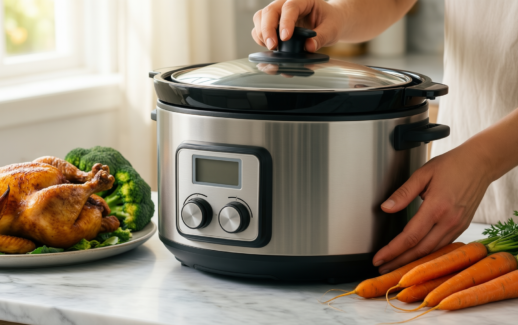
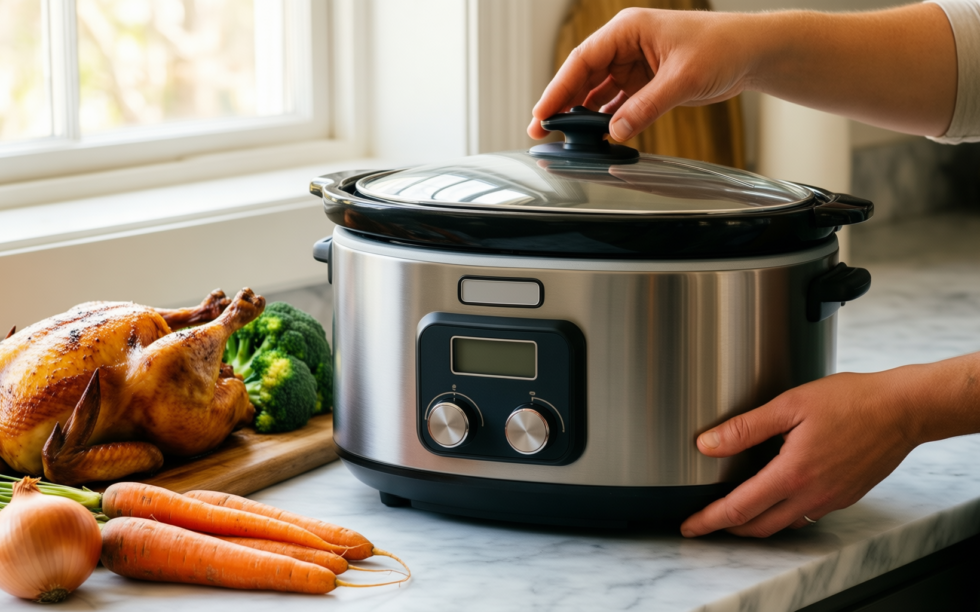
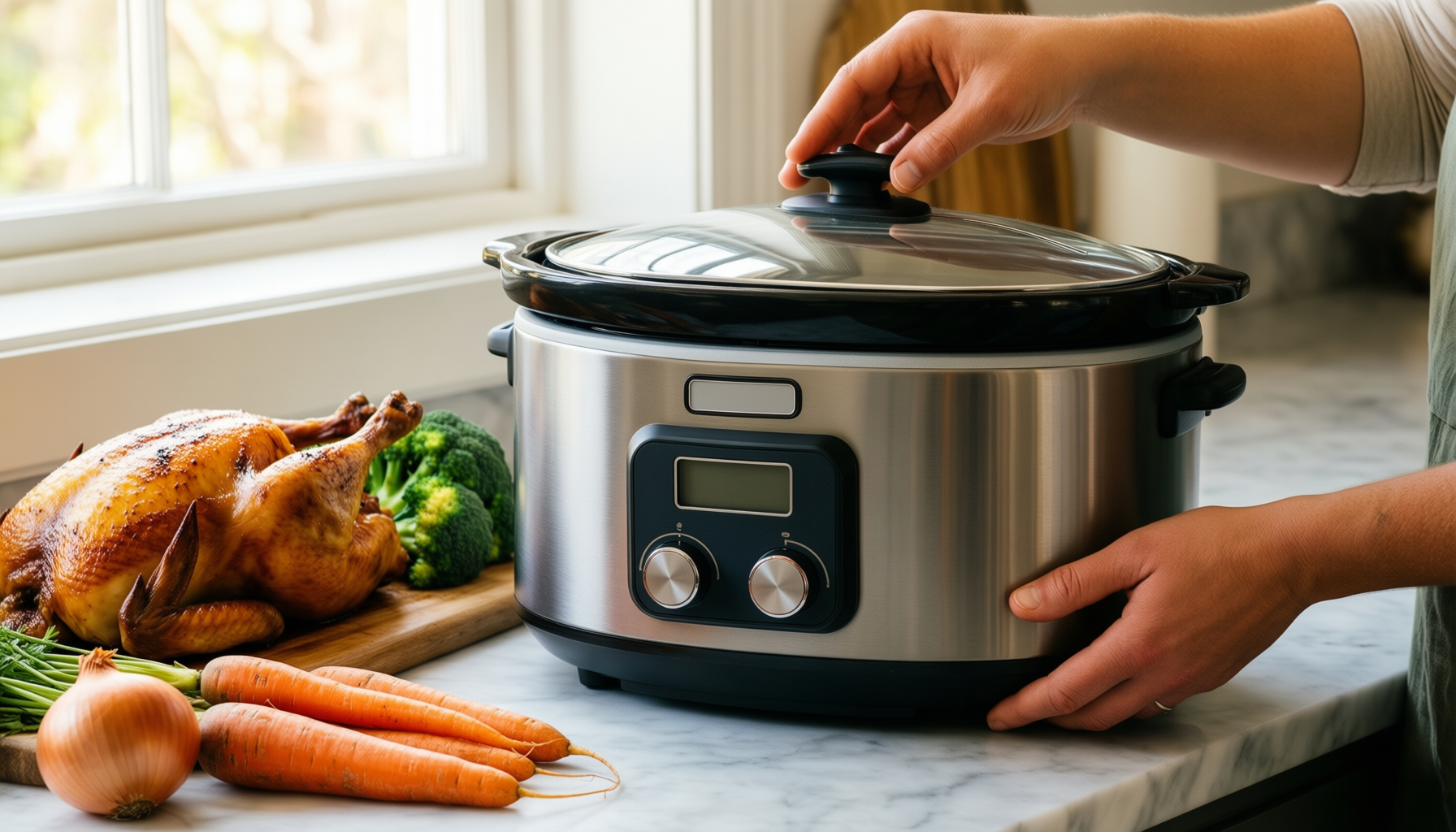
This 6.5-quart unit addresses the specific friction of prepping stews by allowing you to brown ingredients directly in the cooking vessel before switching to low-heat simmering. The standout feature is the aluminium sear/sauté pot, which is stovetop-safe and designed to retain heat better than standard ceramic inserts during the initial browning phase. However, the use of aluminium imposes a clear limitation for those who prefer non-reactive cookware for acidic ingredients like tomatoes or wine. This model is best for home cooks who want to streamline the workflow of making braises and stews without switching between a frying pan and a slow cooker.
🛒 Check Price on Amazon →✓ See today's price & reviews
Solving the ‘Cold Pan’ Problem: Searing Before Slow Cooking
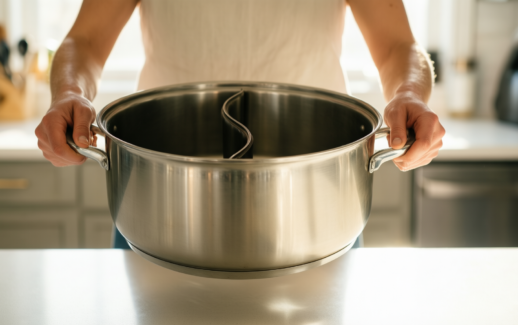
The primary workflow this icook 6.5 quart slow cooker supports is the transition from high-heat searing to low-heat simmering within a single vessel. Traditional slow cookers require you to brown meat or onions in a separate frying pan, then scrape the flavorful bits into the ceramic insert, leaving the fond behind. By using the aluminium pot provided, you can perform this initial browning step directly in the vessel that will later sit on the heating base. This eliminates the need to scrub a separate pan and ensures that the caramelized bits remain in the dish, enhancing the depth of flavor in the final stew or braise.
The material choice here is critical to this function. Aluminium is a highly conductive metal that heats up rapidly and distributes heat evenly across the bottom surface. This property is essential for achieving a proper sear, which requires consistent, high heat to trigger the Maillard reaction. In contrast, ceramic inserts heat slowly and unevenly, making them poor candidates for searing. The specification that this pot is “stovetop safe” confirms that the base is designed to withstand direct flame or electric heat, a feature not found in standard ceramic slow cooker inserts. For a buyer looking to reduce the number of dishes used in a complex recipe, this dual-function design offers a practical advantage.
While the convenience is clear, the transition from stovetop to slow cooker requires careful handling. The aluminium pot is designed to be lifted from the hot hob and placed onto the slow cooker base. This process involves moving a heavy, hot vessel, which requires caution to avoid burns or spills. The product dimensions list a weight of 3.74 kg for the entire unit, but the pot itself will be significantly lighter when empty, though heavier when filled with meat and liquids. Buyers should ensure they have a stable countertop and appropriate oven mitts to manage this transfer safely. The ability to sear directly in the pot is a significant workflow improvement for those who frequently cook braises, but it does require a stovetop that is compatible with the pot’s base.
The Stovetop Transfer Mechanism
The mechanism for moving the pot from the hob to the slow cooker base is straightforward but requires attention to detail. The aluminium pot is designed to fit securely onto the heating element of the slow cooker. This ensures that the heat from the base is transferred efficiently to the food. The fit is likely snug to prevent heat loss, but it also means that the pot must be aligned correctly to avoid tipping. The glass lid, which is part of the standard slow cooker setup, can be placed on top of the aluminium pot once it is on the base. This allows the cooking process to continue in a controlled environment. The transition is seamless in terms of design, but the physical act of moving a hot, heavy pot requires care.
Heat Retention During the Transition
One of the advantages of using an aluminium pot for the initial searing is its heat retention. Aluminium holds heat well, which means that when you transfer the pot to the slow cooker base, the food does not cool down significantly during the move. This is in contrast to ceramic, which cools down faster if removed from a heat source. The retained heat helps to maintain the cooking momentum, ensuring that the food continues to cook evenly once the slow cooker is turned on. This feature is particularly useful for recipes that require a quick sear followed by a long simmer. The aluminium material ensures that the heat is distributed evenly, preventing hot spots that could lead to uneven cooking.
Who Should Skip This Model: Limitations of the Aluminium Pot
Despite the convenience of the sear/sauté function, the use of aluminium as the primary cooking vessel presents specific limitations that may not suit every household. The most significant concern is the reactivity of aluminium with acidic ingredients. Aluminium is a reactive metal, meaning it can react with acids such as those found in tomatoes, vinegar, wine, and citrus fruits. This reaction can cause the metal to leach into the food, potentially altering the taste and creating a metallic aftertaste. For buyers who frequently cook dishes with high acidity, such as tomato-based stews or wine-based braises, this may be a deal-breaker.
Another limitation is the aesthetic and dietary preference for non-metal cookware. Some users prefer ceramic or glass vessels for aesthetic reasons, finding the look of aluminium less appealing for serving or for the visual appeal of the cooking process. Additionally, some individuals have dietary restrictions or health concerns regarding metal contact with food, preferring to avoid aluminium entirely. For these users, the standard ceramic insert of a traditional slow cooker may be a more suitable option. The icook 6.5 quart slow cooker is designed for functionality over aesthetics, and the aluminium pot is a deliberate choice to enable the searing function.
Finally, the requirement for a compatible stovetop is a practical limitation. The pot is stovetop safe, but not all hobs are compatible with all pot bases. Induction hobs, for example, require a magnetic base to function. If the aluminium pot is not induction-compatible, it will not work on an induction hob. Buyers with induction-only kitchens should verify the compatibility of the pot before purchasing. The product description does not explicitly state induction compatibility, so this is a point of caution. For households with gas or electric hobs, this is less of an issue, but for induction users, it may be a significant barrier.
Reactivity with Acidic Ingredients
The reactivity of aluminium with acidic ingredients is a well-documented phenomenon. When aluminium comes into contact with acids, it can form aluminium salts, which can leach into the food. This can result in a metallic taste and a potential health concern if consumed in large quantities. For recipes that involve long cooking times with acidic ingredients, such as tomato stews or wine braises, this reaction is more likely to occur. Buyers who frequently cook such dishes should consider using a non-reactive vessel, such as ceramic or glass, for the slow cooking phase. The aluminium pot is best suited for searing and browning, where the contact time with acidic ingredients is short.
Aesthetic and Dietary Preferences
The aesthetic of the aluminium pot is utilitarian rather than decorative. It is designed for function, not for display. For buyers who value the visual appeal of their cookware, the aluminium pot may not meet their expectations. Additionally, some individuals have dietary restrictions or health concerns regarding metal contact with food. They may prefer to avoid aluminium entirely, opting for ceramic or glass vessels instead. For these users, the standard ceramic insert of a traditional slow cooker may be a more suitable option. The icook 6.5 quart slow cooker is designed for functionality, and the aluminium pot is a deliberate choice to enable the searing function.
Aluminium vs. Ceramic: Heat Retention and Dishwasher Reality
The choice between aluminium and ceramic for the cooking vessel has significant implications for heat retention and cleanup. Aluminium is a superior conductor of heat, meaning it heats up quickly and distributes heat evenly. This is ideal for searing and browning, where consistent, high heat is required. Ceramic, on the other hand, heats up slowly and retains heat for a longer period. This makes it ideal for slow cooking, where gentle, even heat is needed. The icook 6.5 quart slow cooker combines the benefits of both materials by using an aluminium pot for searing and a ceramic-like environment for slow cooking.
The dishwasher-safe claim is a practical advantage for busy households. Aluminium is generally dishwasher-safe, but it can be prone to discoloration or pitting if exposed to harsh detergents or high temperatures. Ceramic, on the other hand, is more resistant to these issues but is more fragile and prone to chipping. The glass lid is also dishwasher-safe, but it is more fragile than the aluminium pot. Buyers should be aware that while the pot is dishwasher-safe, it may require some care to maintain its appearance over time. The practical impact of having a removable, dishwasher-safe pot is that it simplifies the cleanup process, reducing the time and effort required to wash the vessel.
The heat distribution of the aluminium pot is a key advantage over standard ceramic inserts. Aluminium heats up quickly and evenly, ensuring that the food is cooked uniformly. This is particularly important for searing, where hot spots can lead to uneven browning. Ceramic, while it retains heat well, does not heat up as quickly, which can make it less suitable for searing. The combination of aluminium for searing and the slow cooker base for simmering offers a balanced approach to cooking. The icook 6.5 quart slow cooker is designed to provide the best of both worlds, offering the convenience of a single vessel for multiple cooking steps.
Heat Distribution in Aluminium
The heat distribution in aluminium is a key factor in its performance. Aluminium is a highly conductive metal, meaning it transfers heat quickly and evenly across its surface. This is ideal for searing, where consistent heat is required to achieve a proper brown. In contrast, ceramic heats up slowly and unevenly, which can lead to hot spots and uneven cooking. The aluminium pot in the icook 6.5 quart slow cooker is designed to take advantage of this property, ensuring that the food is seared evenly and efficiently. This is a significant advantage over standard ceramic inserts, which are not suitable for searing.
Dishwasher Safety and Maintenance
The dishwasher-safe claim is a practical advantage for busy households. Aluminium is generally dishwasher-safe, but it can be prone to discoloration or pitting if exposed to harsh detergents or high temperatures. Ceramic, on the other hand, is more resistant to these issues but is more fragile and prone to chipping. The glass lid is also dishwasher-safe, but it is more fragile than the aluminium pot. Buyers should be aware that while the pot is dishwasher-safe, it may require some care to maintain its appearance over time. The practical impact of having a removable, dishwasher-safe pot is that it simplifies the cleanup process, reducing the time and effort required to wash the vessel.
UK Kitchen Compatibility: Voltage, Plugs, and Warranty
For UK buyers, the compatibility of the icook 6.5 quart slow cooker with local electrical standards is a critical consideration. The product is designed for the UK market, meaning it should come with a 240V plug that is compatible with UK sockets. This eliminates the need for a transformer, which is a common issue with imported models. Buyers should verify that the plug is a standard UK 3-pin plug to ensure safe and convenient use. The voltage rating of 240V is standard for UK appliances, and using a transformer with a 110V appliance can lead to damage or safety hazards.
The warranty coverage for the UK market is another important factor. The manufacturer, ICOOK, provides a warranty that covers defects in materials and workmanship. Buyers should review the terms of the warranty to understand what is covered and for how long. The warranty may differ from US-based support, so it is important to check the specific terms for the UK market. In the event of a defect, buyers should contact the manufacturer or the retailer for support. The availability of replacement parts is also a consideration, as the aluminium pot and glass lid are specific components that may need to be replaced if damaged.
The sourcing of replacement parts is a practical consideration for long-term use. If the aluminium pot or glass lid is damaged, buyers may need to purchase replacements. The manufacturer or retailer should be able to provide these parts, but it is important to verify their availability before purchasing. The icook 6.5 quart slow cooker is a durable appliance, but like all appliances, it may require maintenance or replacement parts over time. Buyers should be aware of this and plan accordingly. The UK market has a strong infrastructure for appliance support, so buyers should have access to the necessary resources to maintain their appliance.
Voltage and Plug Compatibility
The voltage and plug compatibility of the icook 6.5 quart slow cooker are critical for UK buyers. The product is designed for the UK market, meaning it should come with a 240V plug that is compatible with UK sockets. This eliminates the need for a transformer, which is a common issue with imported models. Buyers should verify that the plug is a standard UK 3-pin plug to ensure safe and convenient use. The voltage rating of 240V is standard for UK appliances, and using a transformer with a 110V appliance can lead to damage or safety hazards. The icook 6.5 quart slow cooker is designed to work seamlessly with UK electrical standards, providing a safe and convenient user experience.
Warranty and Replacement Parts
The warranty coverage for the UK market is another important factor. The manufacturer, ICOOK, provides a warranty that covers defects in materials and workmanship. Buyers should review the terms of the warranty to understand what is covered and for how long. The warranty may differ from US-based support, so it is important to check the specific terms for the UK market. In the event of a defect, buyers should contact the manufacturer or the retailer for support. The availability of replacement parts is also a consideration, as the aluminium pot and glass lid are specific components that may need to be replaced if damaged. The icook 6.5 quart slow cooker is a durable appliance, but like all appliances, it may require maintenance or replacement parts over time. Buyers should be aware of this and plan accordingly.
Final Verdict
Who this is perfect for: This model is ideal for home cooks who frequently prepare braises, stews, and one-pot meals and want to eliminate the step of transferring ingredients from a frying pan to a slow cooker. If you value the convenience of searing directly in the vessel that will simmer the dish, and you have a gas or electric hob (not induction-only), this appliance streamlines your workflow effectively. It is also a good fit for those who prioritize dishwasher-safe components for easier cleanup.
Who should choose alternatives instead: You should look for a traditional ceramic slow cooker if you frequently cook highly acidic dishes, such as tomato-based stews or wine braises, as the aluminium pot may react with these ingredients and alter the taste. Additionally, if you have an induction-only hob, you should verify compatibility before purchasing, as the product description does not explicitly confirm induction suitability. Finally, if you prefer the aesthetic of ceramic or glass vessels for serving, or if you have specific dietary restrictions regarding aluminium contact, a standard ceramic insert model would be a more suitable choice.
🛒 Check Price on Amazon →✓ See today's price & reviews