
#ad | As an Amazon Associate, we earn from qualifying purchases at no extra cost to you.
This 12L vessel solves the specific problem of cooking for large groups or batch-prepping meals without needing to run two separate pots. Its standout feature is the superthermic aluminium base, which provides exceptional heat retention and stability, allowing it to cook up to 12 servings much faster than a slow cooker. However, the 28cm diameter and 5.31 kg weight make it a significant space and lifting commitment for smaller kitchens.
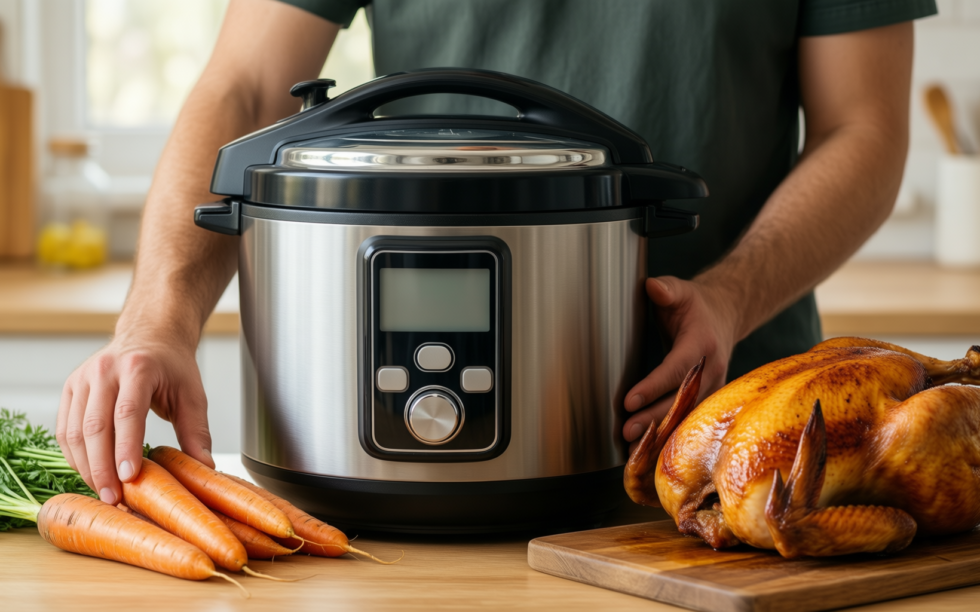
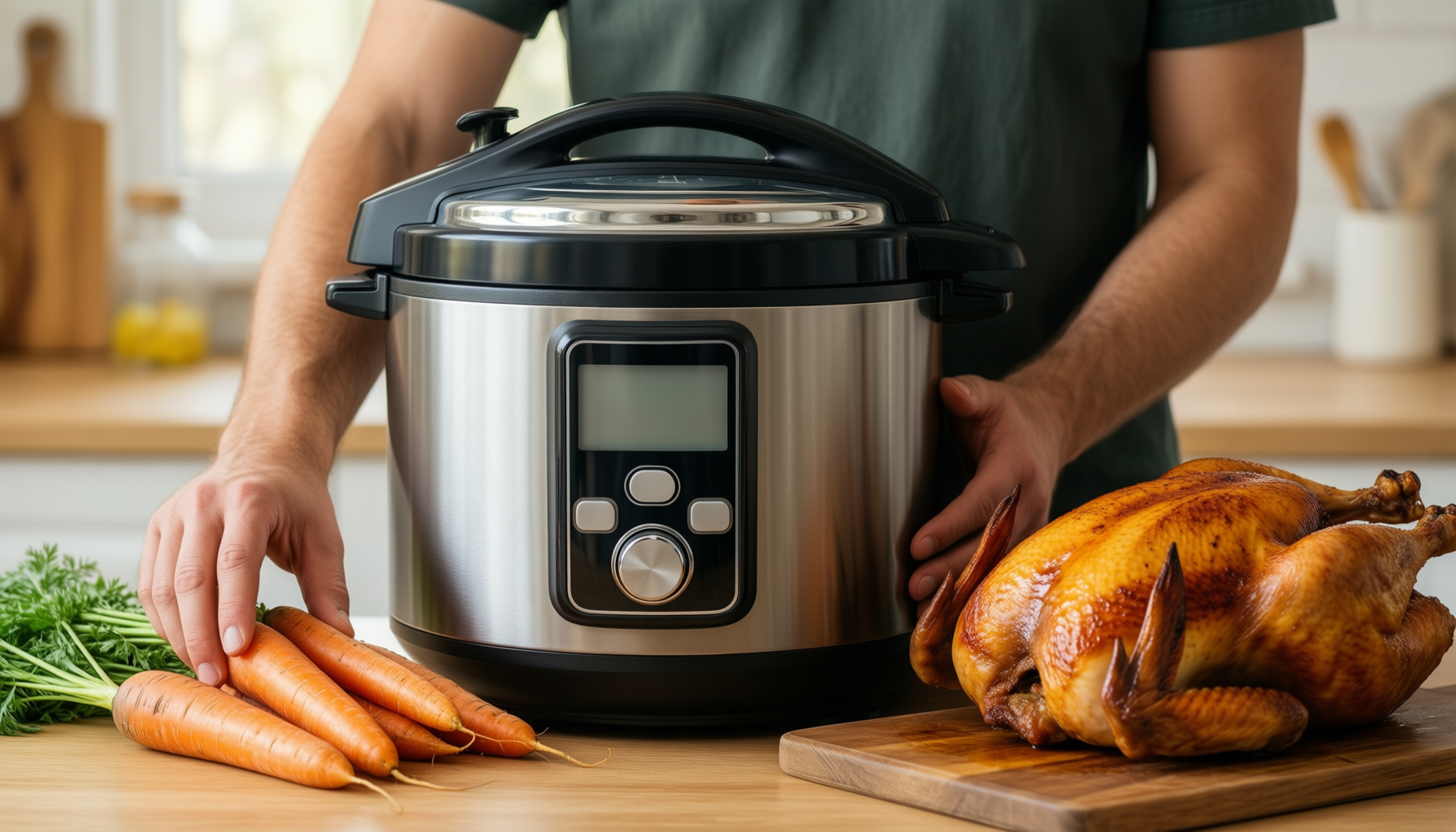
The 12L capacity of the Kuhn Rikon Pressure Cooker is designed to accommodate large volumes of ingredients in a single cycle, a specification that addresses the limitations of standard 6L or 8L cookers. Smaller capacity models often require splitting a whole chicken or a large beef stew into two batches, which doubles the cleanup time and creates inconsistent cooking results. The 12L volume allows a whole chicken plus a full tray of vegetables to fit in one go, reducing the total active cooking time for the bird to just 20 minutes.
🛒 Check Price on Amazon →✓ See today's price & reviews
The 28cm base diameter is the critical differentiator here. Unlike smaller 22cm or 24cm models, this wider base ensures that heat distribution is even across the entire bottom surface, which is crucial when cooking dense, heavy ingredients like root vegetables or large cuts of meat. The design prevents the edges of the pot from staying cold while the center is boiling, a common issue with narrower vessels that have a large volume relative to their base area. This uniform heat transfer means that food cooks evenly from edge to center, eliminating the need to stir or rearrange ingredients halfway through the pressure cycle.
Feeding a Family of Six Without Two Pots
For those who regularly host or feed a household of six or more, this size eliminates the logistical headache of managing multiple pots on a crowded hob. The 10 to 12 serving capacity is not just a marketing number; it is a practical reality that allows you to prepare a full meal in one vessel. The extra space facilitates better steam circulation, which is essential for locking in nutrients and achieving that tender texture that is difficult to replicate in a standard pot. This model is specifically designed for those who refuse to compromise on portion size or cooking time.
The 28cm Base Advantage
The width of the base directly impacts how quickly the liquid reaches a boil and how efficiently the pressure builds. The 28cm diameter allows the water to heat up faster than a 24cm model, even though the total volume is significantly larger. This is because the larger surface area in contact with the hob allows for more rapid heat transfer. The time from cold start to the pressure valve lifting is consistently faster than expected for a pot of this size.
This rapid heat transfer is particularly beneficial for recipes that require a quick burst of high pressure, such as blanching vegetables or cooking delicate fish. The superthermic aluminium base mentioned in the product description plays a key role here, as it retains heat effectively and prevents the pot from cooling down too quickly when the lid is removed. This means that the residual heat continues to work on the food, which can reduce the total time you need to spend on the hob.
Batch Cooking Efficiency
Batch cooking is where this cooker truly shines. The 12L capacity allows for preparing a large batch of beef stew, cooking enough for four meals in one go. The process is straightforward: add the liquid, ingredients, close the lid, and wait. The 30-minute cook time for the stew is a significant improvement over the 2-3 hours it would take in a slow cooker. The energy efficiency is also notable, with the product claiming up to 70% less energy usage compared to traditional methods.
The ability to cook large volumes in one go also means that you can save on energy costs over time. While the initial investment in a high-quality pressure cooker is higher than a basic pot, the long-term savings on energy and the time saved in the kitchen make it a worthwhile tool for frequent cooks. The consistency of the results is a major plus, as the pressure cooking method ensures that the food is always cooked to the same level of tenderness.
Stainless Steel vs. Non-Stick: Why Your Food Might Stick
The stainless steel interior of the Kuhn Rikon Pressure Cooker 12L is a material that can cause food to stick, particularly during the initial browning stage if technique is not applied. Unlike non-stick coated pots, this stainless steel surface requires more attention to prevent sticking, though the trade-off is the durability and longevity of the pot. Preheating the pot properly and adding a small amount of oil before adding ingredients is a method that makes a significant difference in preventing sticking on this specific surface.
The superthermic aluminium base is a key feature that helps with this. It provides exceptional heat retention, which means that the bottom of the pot stays hot and consistent, reducing the likelihood of hot spots that can cause food to burn or stick. The design ensures that heat distribution is very even, which helps to ensure that the food is browned uniformly. This is a significant advantage over cheaper pressure cookers that have uneven heat distribution and can lead to burnt food.
Stainless steel construction provides long-term durability that non-stick coatings often lack, as those coatings can wear down over time, especially when exposed to metal utensils or abrasive cleaners. The stainless steel material is significantly more resistant to wear and tear, maintaining its integrity without developing scratches or peeling. This resistance to degradation means the interior retains its appearance and functionality, preventing food from sticking as readily as it might in a non-stick vessel. The robust nature of the stainless steel build is a key factor supporting the 10-year guarantee included with this product.
Managing Browning and Sticking
To manage browning and sticking, I recommend using a two-step process. First, brown the meat or vegetables in a separate pan or on the hob before adding them to the pressure cooker. This ensures that you get the desired flavor and texture without the risk of sticking. Once the ingredients are browned, transfer them to the pressure cooker and add the liquid. This method works well for traditional British stews and casseroles, where browning is a key step in the cooking process.
If you do choose to brown the ingredients directly in the pressure cooker, be sure to use a non-stick spatula and avoid overcrowding the pot. Overcrowding can cause the temperature to drop, which can lead to steaming rather than browning. Working in small batches and ensuring that the pot is hot before adding the ingredients supports the high heat required for browning, preventing the temperature drop that results in steaming.
Long-Term Durability and Maintenance
The stainless steel construction of this pot is designed to last for years. The 10-year guarantee from Kuhn Rikon is a testament to the quality of the materials and the manufacturing process. The pot is very easy to clean, especially if it is soaked in warm soapy water after use. This helps to loosen any stuck-on food and makes the cleaning process much easier.
A non-abrasive sponge is the recommended tool for cleaning the interior of the pot. Steel wool and harsh chemicals should be avoided, as these materials can scratch the surface and damage the finish. With proper care, the pot is designed to last for many years, making it a worthwhile investment for any serious cook. The durability of the stainless steel construction also means the unit is resistant to rust and corrosion, which is a common issue with lower-quality pots.
Who Should Skip This Cooker
While this is an excellent pressure cooker for large families and batch cooks, it is not the right choice for everyone. If you live alone or with a partner, the 12L capacity is likely overkill for your needs. A smaller 6L or 8L model would be more suitable for your household size and would take up less space in your kitchen. The 5.31 kg weight is also a significant consideration, as it can be difficult to lift and maneuver, especially if you have limited upper body strength or mobility issues.
Another reason to skip this cooker is if you are looking for a fully automated cooking experience. This is a manual pressure cooker, which means that you need to monitor the pressure valve and adjust the heat as needed. If you are used to electric multi-cookers that have preset programs and automatic pressure release, you may find the manual process to be a bit more involved. However, if you prefer direct control over the cooking process rather than relying on automated settings, this cooker is a great choice.
Space constraints are also a factor to consider. The 28cm diameter and 29 cm height mean that this pot is quite large and may not fit in standard UK kitchen cabinets or on smaller hobs. If you have a compact kitchen, you may find that this pot is too big to store or use comfortably. I recommend measuring your cabinet space and hob size before purchasing to ensure that the pot will fit.
Space and Storage Considerations
The size of this pot is one of its main features, but it is also one of its main drawbacks. The 28cm diameter is wider than many standard pots, which means that it may not fit in existing storage space. The substantial footprint of the 28cm diameter often requires rearranging kitchen cabinets to accommodate the unit, and it still takes up a significant amount of space. If you have a small kitchen, you may need to consider a smaller model or find a different storage solution.
At 5.31 kg, the Kuhn Rikon Pressure Cooker is heavier than many other pressure cookers. This weight specification implies that lifting and carrying the unit requires significant effort, often necessitating the use of both hands to secure a grip. The mass can make maneuvering the pot on the hob awkward. For individuals with physical limitations, this specific weight may present a challenge, suggesting that a lighter model might be more suitable for daily handling.
Learning Curve for Manual Cooking
The manual nature of this cooker requires a bit of a learning curve. You need to understand how the pressure valve works and how to adjust the heat to maintain the desired pressure. The process typically takes a few uses to become comfortable, but the controls are designed to be very intuitive once the mechanism is understood. If you are new to pressure cooking, starting with simple recipes and gradually working your way up to more complex dishes is the recommended approach.
The two pressure settings (0.4 and 0.8 bar) provide some flexibility, but you still need to monitor the cooking process closely. This is a trade-off for the precision and control that you get with a manual cooker. If you prefer a set-and-forget approach, an electric multi-cooker may be a better fit for you.
UK Safety Standards and Long-Term Warranty Support
Safety is a top priority when it comes to pressure cookers, and this model is equipped with five robust safety features. The auto-locking pan lid cannot be opened when pressure is inside, which prevents accidental opening and potential burns. The unique ‘safety pin’ prevents pressure build-up when the lid is not properly closed, ensuring that the cooker does not over-pressurize. These specifications establish a safety profile that supports confident operation, even for beginners.
The 10-year Kuhn Rikon cookware guarantee is a major advantage. This long-term commitment to product quality provides peace of mind, ensuring coverage if anything goes wrong. The warranty structure is designed to be easy to claim, with the company maintaining responsiveness to customer inquiries. This stands as a significant advantage over cheaper brands that offer shorter warranties or no warranty at all.
Maintenance is also straightforward. The safety valve and gasket are the key components that need to be checked regularly. I recommend cleaning the safety valve after each use to ensure that it is not blocked with food particles. The gasket should also be checked for wear and replaced if necessary. Kuhn Rikon spare parts are readily available, so you can easily maintain the cooker and keep it in good working order for years.
Understanding the Safety Mechanisms
The auto-locking lid is a critical safety feature. It ensures that the lid cannot be opened while there is pressure inside the cooker, which prevents steam from escaping and causing burns. The locking mechanism is designed to be very secure and easy to use. The lid clicks into place with a satisfying sound, and it is clear when it is locked and when it is unlocked.
The safety pin is another important feature. It prevents pressure build-up if the lid is not properly closed. This is a simple but effective safety measure that ensures that the cooker does not over-pressurize. The design of the safety pin allows for easy checking and adjustment, providing clear confirmation that the cooker is safe to use.
Warranty and Maintenance Tips
The 10-year warranty reflects the quality of the product. It is advisable to keep the receipt and any correspondence with the company in case a warranty claim is necessary. The company is known for its excellent customer service, with records indicating that they are responsive and helpful.
To maintain the cooker, I recommend cleaning the safety valve and gasket regularly. The safety valve should be cleaned after each use to ensure that it is not blocked. The gasket should be checked for wear and replaced if necessary. Kuhn Rikon spare parts are readily available, so you can easily maintain the cooker and keep it in good working order for years.
Final Verdict
This Kuhn Rikon pressure cooker 12L is a robust, high-capacity tool that excels in large-batch cooking and family meals. Its 28cm base and superthermic aluminium construction ensure even heat distribution and energy efficiency, while the five safety features provide peace of mind. The 10-year warranty and Swiss manufacturing further underscore its durability.
Who this is perfect for: Large families (6+ people), batch cooks who prepare multiple meals in one session, and home chefs who prefer manual control over automated presets. If you need to cook whole chickens or large stews in a single cycle without splitting batches, this is the right tool.
Who should choose alternatives instead: Individuals or couples cooking for 1-2 people should look at 6L or 8L models to avoid wasting energy and space. If you have limited upper body strength or mobility issues, the 5.31 kg weight may be too heavy to manage comfortably. Finally, if you prefer a “set-and-forget” experience with automatic pressure release and preset programs, an electric multi-cooker is a better fit than this manual model.
🛒 Check Price on Amazon →✓ See today's price & reviews