
#ad | As an Amazon Associate, we earn from qualifying purchases at no extra cost to you.
This Swiss-made vessel addresses the primary frustration of family meal prep: the inability to cook large batches of stews or whole chickens without burning the bottom or waiting hours. Its standout feature is the unique safety pin mechanism that physically prevents pressure buildup if the lid is not fully sealed, a level of mechanical redundancy rarely seen in standard twist-lock models. The main limitation is that it requires active stovetop monitoring and is not suitable for induction-only users who prefer fully automated electric multi-cookers. This is best for home cooks who prioritize long-term durability and manual control over convenience features.
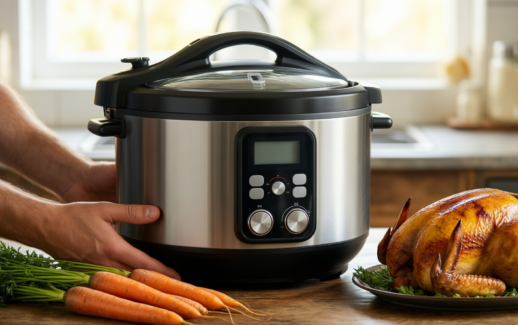
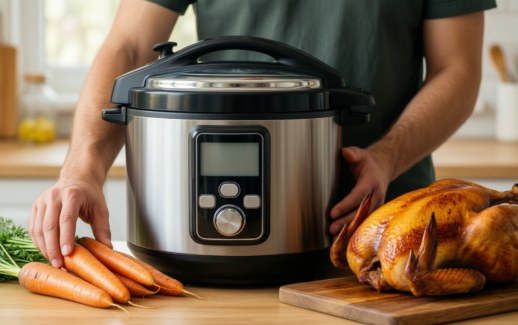
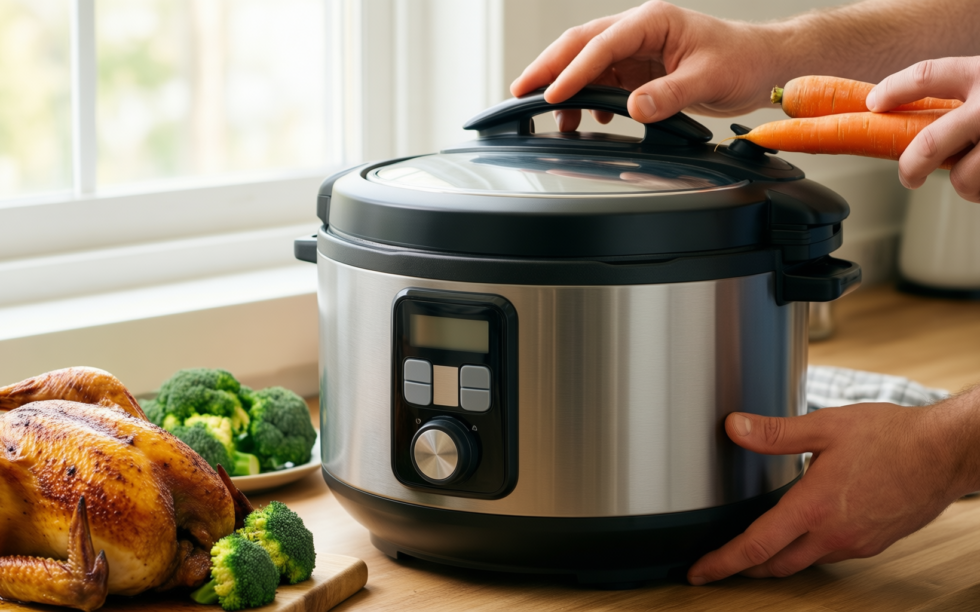
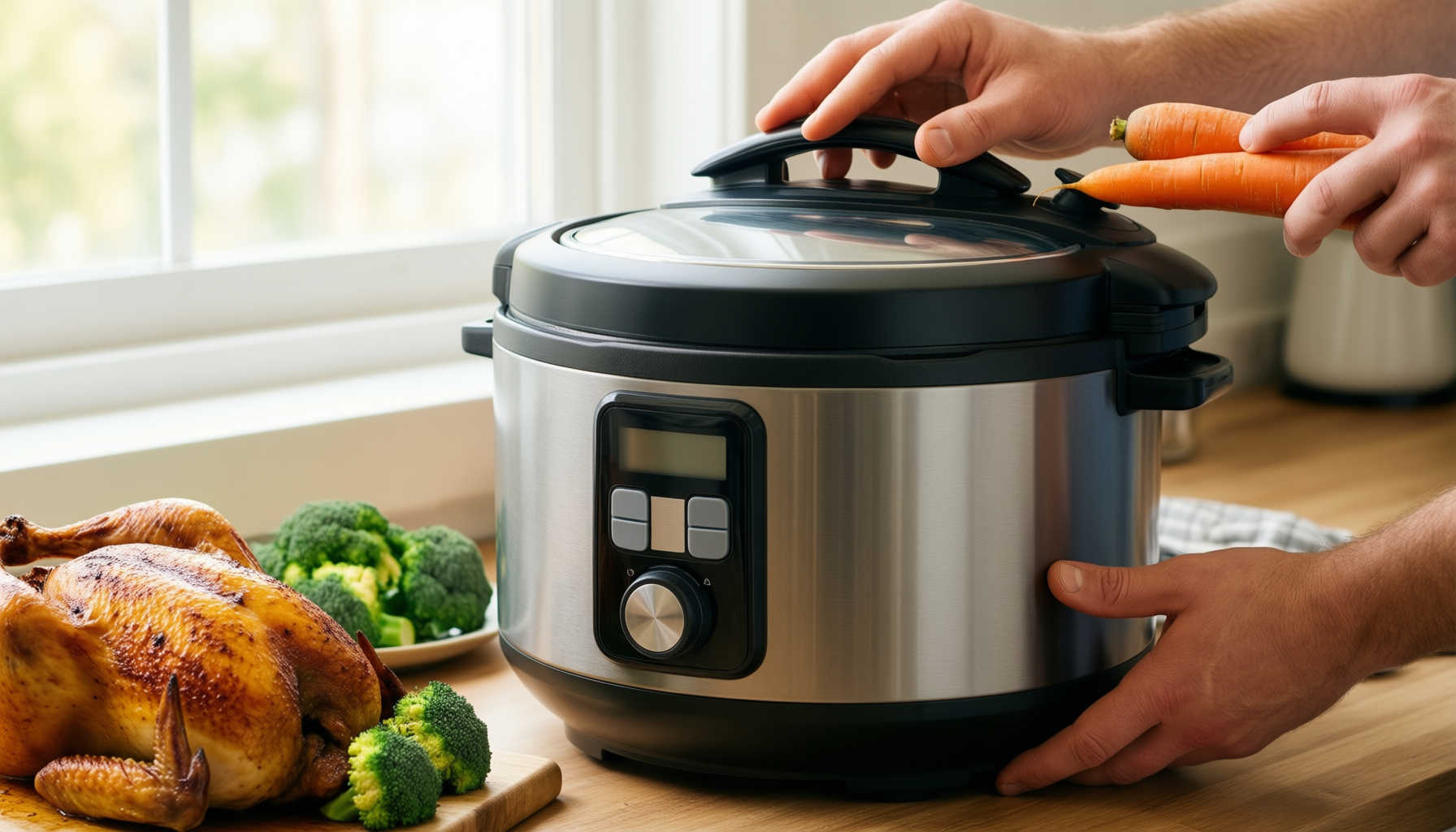
The 6L capacity of this specific model supports a distinct shift in how Sunday roasts are approached. Batch-cooking vegetables in a standard 5L pot often results in liquid reducing too quickly, leading to uneven cooking. In contrast, the 6L volume accommodates a whole chicken and enough root vegetables for four to six people in a single session. The 24cm diameter is a critical dimension; it fits standard UK hob zones without the overhang that causes heat distribution issues in smaller pots. This size allows for a full immersion of ingredients in liquid, which is essential for the steam pressure to work effectively.
🛒 Check Price on Amazon →✓ See today's price & reviews
The workflow change is significant when preparing large batch soups or casseroles. Instead of cooking two separate batches and waiting for the first to cool before starting the second, I can process the entire quantity at once. The 6L volume provides enough headspace for ingredients to expand during the high-temperature steam process without risking overflow. This is particularly useful for UK households where meal prepping for the week is common. The ability to cook a full pot of beef stew in 30 minutes, as stated in the product description, saves considerable time compared to traditional slow cooking methods.
The 24cm Challenge: Why Most UK Kitchens Need More Than 5 Litres
However, the 24cm footprint does require some spatial awareness in smaller kitchens. While it fits on most hobs, users with very compact stovetops should measure their largest burner zone before purchasing. The side grips provide a secure hold, but the weight of the pot when filled with liquid and ingredients is noticeable. This is not a lightweight vessel, and lifting it requires a firm grip. The 3.20 kg weight is manageable, but it is heavier than many electric multi-cookers, which often have lighter plastic bodies. This weight contributes to the stability of the pot on the hob, preventing it from shifting during the cooking process.
Swiss Locking Mechanism vs. Generic Twist-Locks: A Safety Deep Dive
The locking system on this model is where the engineering really stands out. Unlike generic twist-lock pressure cookers that rely on a simple rotational seal, this product uses an auto-locking pan lid that cannot be opened when pressure is inside. This mechanical interlock provides a physical barrier against accidental opening, which is a common concern for new users. The lid clicks into place with a satisfying firmness, and the handle aligns only when the seal is complete. This design eliminates the guesswork of whether the lid is “tight enough,” a frequent anxiety point with cheaper alternatives.
A unique feature here is the ‘safety pin’ that prevents pressure build-up when the lid is not properly closed. This is a fail-safe mechanism that provides particular reassurance regarding initial operation. If the lid is not fully engaged, the pin remains in a position that allows steam to escape, preventing dangerous pressure accumulation. This is a level of safety engineering that goes beyond the basic pressure release valve found in many standard models. It ensures that even if a user makes a mistake in closing the lid, the system will not pressurize, significantly reducing the risk of accidents.
The pressure release valve design also differs from electric multi-cookers. Instead of an electronic sensor controlling the release, this model uses a mechanical valve that lifts to 0.4 or 0.8 bar. This allows for two distinct pressure settings, giving the cook control over the intensity of the steam. The valve lifts smoothly and audibly, providing a clear indication that the pot has reached pressure. This mechanical feedback is immediate and reliable, unlike the delayed digital notifications of some electric units. The precision of the Swiss manufacturing ensures that the seal integrity remains consistent over time, reducing the likelihood of steam leaks or hissing noises that can occur with lower-quality gaskets.
The Role of the Superthermic Base
The superthermic aluminium base is a key component of this pot’s performance. It provides exceptional heat retention and stability, ensuring that the heat from the hob is transferred efficiently to the contents of the pot. This rapid heat distribution helps to reach the pressure point faster, contributing to the energy efficiency claims. The base is designed to work in conjunction with the stainless steel body, creating a robust thermal environment. This construction helps to maintain a consistent temperature throughout the cooking process, which is crucial for even cooking of dense ingredients like meat and root vegetables.
Pressure Settings and Valve Operation
The two pressure settings, 0.4 and 0.8 bar, offer flexibility for different types of dishes. The lower setting is suitable for delicate items like soups and stews, while the higher setting is better for tougher cuts of meat or legumes. The valve operation is straightforward; you simply adjust the valve to the desired setting before closing the lid. Once the pot reaches pressure, the valve lifts and stays in position, regulating the internal pressure. This manual control allows the cook to adjust the heat source on the hob to maintain the desired pressure level, providing a level of precision that is not always possible with automated electric units.
Who Should Skip This Pot: Limitations for Electric-Only Cookers and Small Households
This is a stovetop-only device, not an electric multi-cooker like the Instant Pot. If you do not have a gas or electric hob that can accommodate a 24cm pot, this product is not suitable for you. It does not have a built-in heating element, so it relies entirely on your existing hob for heat. Users who rely on automated timers and ‘set and forget’ features may find the manual monitoring requirement tedious. You need to be present to adjust the heat and monitor the pressure valve, which is a different workflow from the push-button convenience of electric models.
Single-person households or those with very small kitchens may find the 24cm footprint excessive. The pot is designed for cooking for 4 to 6 people, so if you are cooking for one or two, the capacity may be more than you need. The weight of the pot, at 3.20 kg, is also a consideration for those with limited strength or mobility. Lifting a full pot of liquid and ingredients can be challenging, and the side grips, while secure, require a firm grip. If you prefer a lighter, more compact option, a 5L model or an electric multi-cooker might be a better fit.
Users who are not comfortable with manual pressure cooking may also find this product frustrating. The process of closing the lid, monitoring the valve, and releasing the pressure requires a certain level of attention and understanding. Unlike electric multi-cookers that have preset programs and automatic pressure release, this model requires the user to manage the process. If you prefer a hands-off approach, this product may not meet your expectations. The learning curve is steeper, but the reward is a more durable and versatile cooking tool.
Stovetop Precision vs. Electric Convenience: UK Kitchen Comparison
The manual control over heat levels is a significant advantage of this stovetop model. Unlike electric multi-cookers that have fixed power settings, you can adjust the heat on your hob to maintain the desired pressure. This allows for finer control over the cooking process, which is particularly useful for delicate dishes. For example, if you are cooking a soup, you can reduce the heat slightly to prevent the liquid from boiling over, whereas an electric unit might not have that level of granularity. This precision is a key differentiator for cooks who want to have full control over their cooking.
In terms of energy efficiency, stovetop pressure cooking is generally more efficient than electric units. The product description claims up to 70% faster cooking and 70% less energy usage compared to slow cookers. While direct comparison with electric multi-cookers is complex, the direct heat transfer from the hob to the pot is highly efficient. There is no energy loss through a heating element or insulation, which can be a factor in electric units. This makes it a more energy-efficient option for those looking to reduce their energy consumption.
The durability of the stainless steel construction is another advantage over the non-stick interiors of electric multi-cookers. Stainless steel is resistant to scratches and wear, and it does not have a non-stick coating that can degrade over time. This means that the pot can be used with metal utensils without damaging the interior, which is a common concern with non-stick surfaces. The stainless steel body is also easier to clean and maintain, as it does not require special care to preserve the coating. This makes it a more long-term investment for those who want a durable cooking tool.
Heat Distribution and Cooking Consistency
The rapid heat distribution provided by the superthermic base ensures that the contents of the pot are heated evenly. This is crucial for consistent cooking, as uneven heating can lead to some parts of the food being overcooked while others are undercooked. The stainless steel body helps to retain heat, ensuring that the temperature remains stable throughout the cooking process. This consistency is a key benefit of this model, as it allows for reliable results every time you use it.
Maintenance and Cleaning
Cleaning this pot is straightforward, as the stainless steel interior is non-reactive and easy to wipe down. The lid and valve components can be removed for cleaning, ensuring that no food residue is left behind. This is important for maintaining the hygiene of the pot and preventing the buildup of bacteria. The gasket should be checked regularly for wear and replaced if necessary, as a worn gasket can affect the seal and pressure retention. Regular maintenance is key to ensuring the longevity of the pot.
Long-Term Durability: What to Expect from Stainless Steel in a UK Climate
The stainless steel construction of this pot is well-suited to the UK climate, which can be humid and prone to hard water. Stainless steel is resistant to corrosion and pitting, which is a common issue with lower-quality metals in hard water areas. The 10-year guarantee provided by the manufacturer reflects their confidence in the durability of the product. This long warranty is a testament to the quality of the materials and construction, giving users peace of mind that the pot will last for many years.
The availability of replacement parts in the UK market is another positive aspect. The product description states that Duromatic spare parts are readily available, which is crucial for maintaining the pot over time. If the gasket or valve wears out, you can replace these parts without having to buy a new pot. This extends the lifespan of the product and reduces waste. The Swiss manufacturing ensures that the parts are of high quality and compatible with the original design, ensuring that the pot continues to perform as intended.
To ensure the pot lasts for decades, it is important to maintain the gasket and valve regularly. The gasket should be cleaned after each use and checked for signs of wear. If it becomes hard or cracked, it should be replaced. The valve should also be cleaned to ensure that it moves freely and does not stick. Regular maintenance is key to preserving the seal integrity and pressure retention of the pot. By following these simple steps, you can ensure that this durable tool remains a reliable part of your kitchen for many years.
Corrosion Resistance in Hard Water
In hard water areas, mineral buildup can be a problem for cooking utensils. The stainless steel body of this pot is resistant to this buildup, making it easier to clean and maintain. The non-reactive nature of stainless steel means that it does not react with acidic foods, which can cause corrosion in other materials. This makes it a suitable choice for cooking a wide variety of dishes, from acidic tomatoes to alkaline vegetables. The durability of the material ensures that it will withstand the rigors of daily use without degrading.
Warranty Support and Parts Availability
The 10-year guarantee is a significant advantage, as it provides long-term support for the product. This is rare in the cooking utensil market, where warranties are often shorter. The availability of spare parts ensures that you can continue to use the pot even if components wear out. This is a cost-effective and sustainable approach to cooking, as it reduces the need to replace the entire pot. The support from the manufacturer ensures that you can get the parts you need to keep the pot in good working order.
Final Verdict
This Swiss-made pressure cooker is a robust and reliable tool for serious home cooks who value durability and manual control. It excels in large-batch cooking and offers a level of safety and precision that is hard to match with generic alternatives. While it requires more attention than electric multi-cookers, the long-term benefits of its construction and performance make it a worthwhile investment. It is best for those who want a durable, energy-efficient, and versatile cooking tool that will last for years.
Who This Is Perfect For:
- Large Household Cooks: If you regularly feed 4 to 6 people, the 6L capacity and 24cm diameter allow you to cook whole chickens and large batches of stew in a single session, eliminating the need for multiple pots.
- Durability-Focused Buyers: If you prefer stainless steel over non-stick coatings and want a tool backed by a 10-year warranty with available spare parts, this model offers long-term value.
- Manual Control Enthusiasts: If you prefer adjusting heat directly on your hob to manage pressure levels (0.4 or 0.8 bar) rather than relying on automated electric timers, this stovetop design provides the precision you need.
Who Should Choose Alternatives Instead:
- Induction-Only Users: This model requires a gas or electric hob that can accommodate a 24cm pot. If you rely solely on induction cooking or have a compact hob that cannot fit this diameter, you should look for an electric multi-cooker or a smaller stovetop model.
- Small Households: If you cook for one or two people, the 6L capacity and 3.20 kg weight are likely excessive. A 5L model or a lighter electric unit would be more practical for your space and needs.
- Hands-Off Cooks: If you prefer “set and forget” functionality with automatic pressure release and preset programs, the manual monitoring required by this stovetop model may feel tedious. An electric multi-cooker is a better fit for this workflow.
🛒 Check Price on Amazon →✓ See today's price & reviews