
#ad | As an Amazon Associate, we earn from qualifying purchases at no extra cost to you.
Disclosure: As an Amazon Associate, I earn from qualifying purchases.
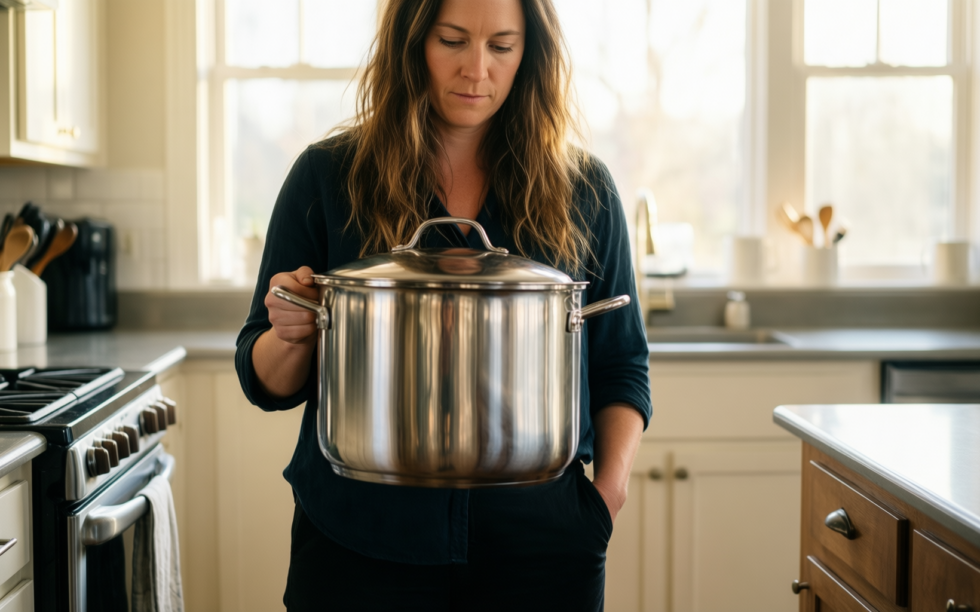
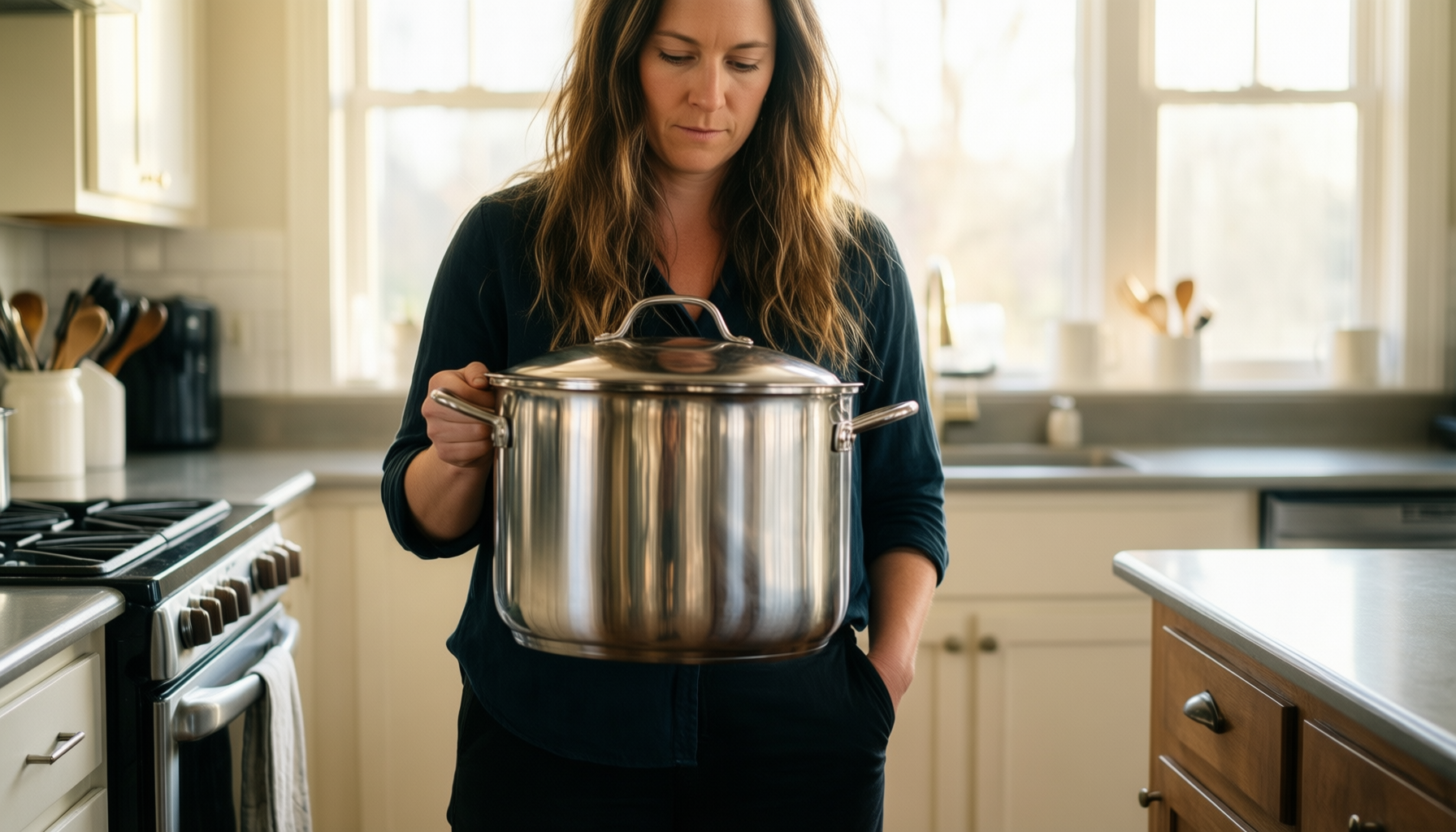
The Tefal Primary 28cm stockpot addresses a specific friction point in daily cooking: the need for a vessel that handles both high-heat searing and long, gentle simmering without requiring a change of equipment. Its 28cm diameter is sized to cover standard UK hob zones effectively, ensuring that heat is applied across the full base rather than leaving cold edges. However, the uncoated stainless steel construction imposes a limitation for beginners who expect non-stick performance; this model relies on technique rather than a coating to prevent food from sticking. It is best for home cooks who want a durable, multi-functional pot for stews and sauces and are willing to learn proper heat management.
🛒 Check Price on Amazon →✓ See today's price & reviews
Simmering Sunday Roast Juices Without Scorching the Bottom
The primary challenge with mid-range pots is uneven heat distribution, which often leads to burnt residue at the bottom during long simmering sessions. This model features a Thermo-Fusion base designed to ensure fast and optimal heat distribution across the entire surface. In practice, this means that when you prepare a slow-cooked stew or roast juices, the heat is spread more evenly, reducing the likelihood of hot spots that scorch the ingredients.
The 28cm diameter is a deliberate design choice that aligns with the size of standard hob burners in UK kitchens. This size allows the pot to sit comfortably on the burner without significant overhang, which can cause heat loss and uneven cooking. For a family-sized batch of soup or a large quantity of braised meat, this diameter provides sufficient surface area to cook food efficiently without overcrowding the pot.
Unlike typical aluminum pots that may have thin bases prone to warping, the stainless steel construction here offers robust performance. The material resists deterioration over time, meaning the base maintains its structural integrity even after repeated cycles of heating and cooling. This durability is crucial for a stockpot that will be used regularly for heavy-duty tasks like boiling pasta or simmering stocks.
The Role of the Thermo-Fusion Base
The Thermo-Fusion technology is the key mechanism that differentiates this pot from standard stainless steel options. It is engineered to conduct heat rapidly and distribute it uniformly, which is essential for achieving consistent results in recipes that require precise temperature control. For example, when deglazing a pan to make a sauce, the even heat distribution ensures that the liquid reduces smoothly without burning the fond.
This feature is particularly beneficial for cooks who use the pot for both searing and simmering. The base can handle high temperatures for browning meat or fish, then transition to lower temperatures for gentle cooking without the risk of the base becoming unevenly heated. This versatility makes it a practical choice for a kitchen where one pot needs to handle multiple cooking methods.
Managing Heat for Gentle Cooking
The product description highlights its suitability for stewing and gentle cooking, which requires maintaining a low, steady temperature. The robust design of the pot helps maintain this stability, preventing the contents from boiling over or scorching. For dishes like a beef stew or a vegetable soup, this consistency is what allows the flavors to develop fully without the need for constant stirring.
Buyers who have used similar pots often report that the even heat distribution reduces the need for frequent monitoring. This is a practical advantage for busy households where cooking is often done while multitasking. The pot’s ability to maintain a stable temperature means that you can set it on the hob and trust that the food will cook evenly, reducing the risk of overcooking or burning.
Why the CV Lid Matters for Energy Efficiency
The inclusion of a Control Valve (CV) lid is a standout feature that addresses a common issue with standard glass lids: excessive steam release. The CV lid regulates steam escape, which helps maintain a consistent temperature inside the pot. This regulation is particularly useful for boiling water or simmering soups, as it prevents the pot from boiling over and reduces the amount of water that evaporates.
For households using gas hobs, this feature can have implications for energy efficiency. By retaining more heat and reducing steam loss, the pot requires less energy to maintain the desired cooking temperature. This is a practical benefit for those looking to reduce their energy consumption without compromising on cooking performance. The lid’s design ensures that the heat is trapped effectively, allowing the food to cook faster and more evenly.
The CV lid also contributes to the overall safety and convenience of the cooking process. By controlling the steam release, it prevents the sudden burst of hot steam that can occur when lifting a standard glass lid. This makes it safer to use, especially in a busy kitchen where children or pets may be present. The lid’s ergonomic design also makes it easy to handle, adding to the overall user experience.
Steam Regulation and Temperature Control
The CV technology works by allowing a controlled amount of steam to escape, which helps maintain the internal pressure and temperature. This is crucial for recipes that require a precise temperature, such as simmering a sauce or cooking a delicate fish dish. The lid’s ability to regulate steam ensures that the food cooks at the right pace, preventing it from becoming too dry or overcooked.
This feature is particularly beneficial for long-cooking stews and soups, where maintaining a low simmer is essential for developing flavors. The CV lid helps to keep the temperature steady, allowing the ingredients to cook slowly and evenly. This results in a more flavorful and tender final dish, which is a key goal for many home cooks.
Practical Benefits for Daily Cooking
The practical benefit of the CV lid extends beyond just energy efficiency. It also makes the cooking process more convenient and less stressful. By reducing the need to constantly adjust the heat or monitor the pot, it allows for a more relaxed cooking experience. This is particularly useful for those who are new to cooking or who are busy with other tasks while preparing meals.
The lid’s design also ensures that it fits securely on the pot, preventing it from shifting or falling off during cooking. This is a small but important detail that contributes to the overall safety and reliability of the product. The secure fit also helps to retain heat, which further enhances the energy efficiency of the pot.
Who Should Skip This Pot
While the Tefal Primary 28cm stockpot is a versatile and durable option, it may not be the right choice for every household. For couples or individuals who cook for one or two people regularly, the 28cm diameter may be excessive. A smaller pot, such as a 20cm or 24cm model, would be more appropriate for their needs, as it would take up less space on the hob and in the cupboard.
Another group that might want to skip this pot is those who are strictly using induction hobs and are looking for a specific induction-certified model. While the product description states that it is suitable for all hobs including induction, some buyers may prefer a model that is explicitly marketed for induction use. It is always a good idea to check the specific compatibility details if you have an induction-only setup.
Finally, those who are looking for a non-stick surface may find this pot less suitable. The uncoated stainless steel requires a certain level of technique to prevent food from sticking. If you are a beginner who prefers the ease of a non-stick pan, you might want to consider a different option. This pot is best for those who are willing to invest time in learning proper cooking techniques and who value durability over convenience.
Size Considerations for Small Households
The 28cm size is designed for family-sized portions, which means it may be too large for smaller households. For a couple cooking for two, a smaller pot would be more practical and efficient. Using a large pot for small amounts of food can lead to uneven cooking and wasted energy. It is important to consider your typical cooking needs when choosing the right size for your kitchen.
Induction Compatibility and Material Choice
While the pot is stated to be suitable for induction, some users may have specific preferences or requirements for their induction hobs. It is always a good idea to check the manufacturer’s specifications to ensure compatibility. Additionally, the stainless steel material, while durable, does not offer the non-stick convenience of coated pans. This is a trade-off that some buyers may not be willing to make.
How It Stacks Up Against Mid-Range Alternatives
When comparing this model to other mid-range options in the UK market, the Tefal Primary stands out for its combination of durability and functionality. Unlike many competing models that may have thinner bases or less effective heat distribution, this pot’s Thermo-Fusion base ensures consistent performance. The CV lid is also a feature that is not always found in mid-range pots, adding to its value.
The stainless steel construction offers a level of durability that is hard to match with other materials. While non-stick pans may be easier to use, they are often less durable and can wear out over time. This pot, on the other hand, is designed to last, making it a long-term investment for your kitchen. The robust design also means that it can withstand the rigors of daily use without showing signs of wear.
In terms of versatility, this pot is a strong contender for daily cooking tasks. It can handle everything from searing to simmering, making it a useful addition to any kitchen. The ability to use it on all heat sources, including induction, adds to its flexibility. For those looking for a single pot that can handle a variety of cooking methods, this is a solid choice.
Durability and Long-Term Value
The durability of the stainless steel construction is a key advantage over many other mid-range options. The material is resistant to corrosion and wear, ensuring that the pot maintains its appearance and functionality over time. This is particularly important for a stockpot that will be used frequently for heavy-duty tasks. The robust design also means that it can withstand the impact of metal utensils, which is a common concern with non-stick pans.
The long-term value of this pot is also worth considering. While it may not be the cheapest option on the market, its durability and versatility make it a worthwhile investment. The ability to use it for a wide range of cooking tasks means that you are getting more value for your money. The CV lid and Thermo-Fusion base are features that add to the overall quality and performance of the pot.
Versatility in Daily Cooking
The versatility of this pot is another key advantage. It can be used for a wide range of cooking tasks, from boiling pasta to simmering stews. This makes it a practical choice for a kitchen where space is limited and you need a single pot that can handle multiple tasks. The ability to use it on all heat sources adds to its flexibility, making it a useful addition to any kitchen.
The ergonomic handle and CV lid also contribute to the overall user experience. The handle stays cool during use, which adds to the safety and convenience of the pot. The CV lid makes it easy to control the steam release, which is a useful feature for many cooking tasks. These details may seem small, but they make a practical difference in the overall usability of the pot.
Maintaining the Stainless Steel for Long-Term Use
One of the main advantages of this pot is its dishwasher-safe design, which makes cleaning straightforward. The stainless steel material is resistant to staining and discoloration, ensuring that the pot looks new day after day. However, to maintain its appearance and performance, it is important to follow proper cleaning practices. Using a mild detergent and a soft sponge is recommended to avoid scratching the surface.
The uncoated stainless steel surface requires a bit more attention than non-stick pans. To prevent food from sticking, it is important to preheat the pot before adding food. This creates a natural non-stick effect, making it easier to cook and clean. Using a small amount of oil or butter can also help to prevent sticking and add flavor to your dishes.
Common misconceptions about stainless steel pots include the belief that they are difficult to clean. In reality, with proper care, they are easy to maintain and can last for many years. The dishwasher-safe design makes it even easier to keep the pot clean, ensuring that it is always ready for your next cooking session.
Cleaning Tips for Best Results
To keep the pot looking its best, it is important to clean it promptly after use. Allowing food to dry on the surface can make it harder to remove. Using a mild detergent and a soft sponge is the best way to clean the pot without scratching the surface. For stubborn stains, a paste of baking soda and water can be used to scrub the surface gently.
The CV lid should also be cleaned regularly to ensure that it functions properly. The steam release valve can accumulate food particles, which can affect its performance. Cleaning the lid with warm soapy water and a soft brush will help to keep it in good condition. Drying the lid thoroughly after cleaning will prevent any moisture from causing rust or corrosion.
Preventing Sticking and Scratches
To prevent food from sticking, it is important to preheat the pot before adding food. This creates a natural non-stick effect, making it easier to cook and clean. Using a small amount of oil or butter can also help to prevent sticking and add flavor to your dishes. Avoiding the use of metal utensils on the stainless steel surface will help to prevent scratches and maintain its appearance.
The robust design of the pot means that it can withstand the use of metal utensils, but it is still best to use wooden or silicone utensils to prevent any potential damage. This will help to ensure that the pot maintains its appearance and functionality over time. By following these simple tips, you can keep your Tefal Primary 28cm stockpot in excellent condition for years to come.
Final Verdict: Who Is This Pot For?
The Tefal Primary 28cm stockpot is an ideal choice for home cooks who prioritize durability and versatility over the convenience of non-stick coatings. It is perfect for individuals or families who regularly prepare large batches of stews, soups, or braised meats and have the space for a 28cm vessel. The combination of the Thermo-Fusion base and the CV lid makes it a practical tool for those who want consistent heat distribution and energy efficiency without the maintenance issues associated with coated pans.
However, this pot is not the right fit for beginners who rely on non-stick surfaces to prevent food from sticking, or for small households that find a 28cm diameter too large for their typical portion sizes. If your primary cooking needs involve delicate foods that require a non-stick surface, or if you have limited counter and cupboard space, you should look for a smaller, coated alternative. For those willing to learn proper heat management techniques, this stainless steel stockpot offers a durable, multi-functional solution for daily cooking.
🛒 Check Price on Amazon →✓ See today's price & reviews