
#ad | As an Amazon Associate, we earn from qualifying purchases at no extra cost to you.
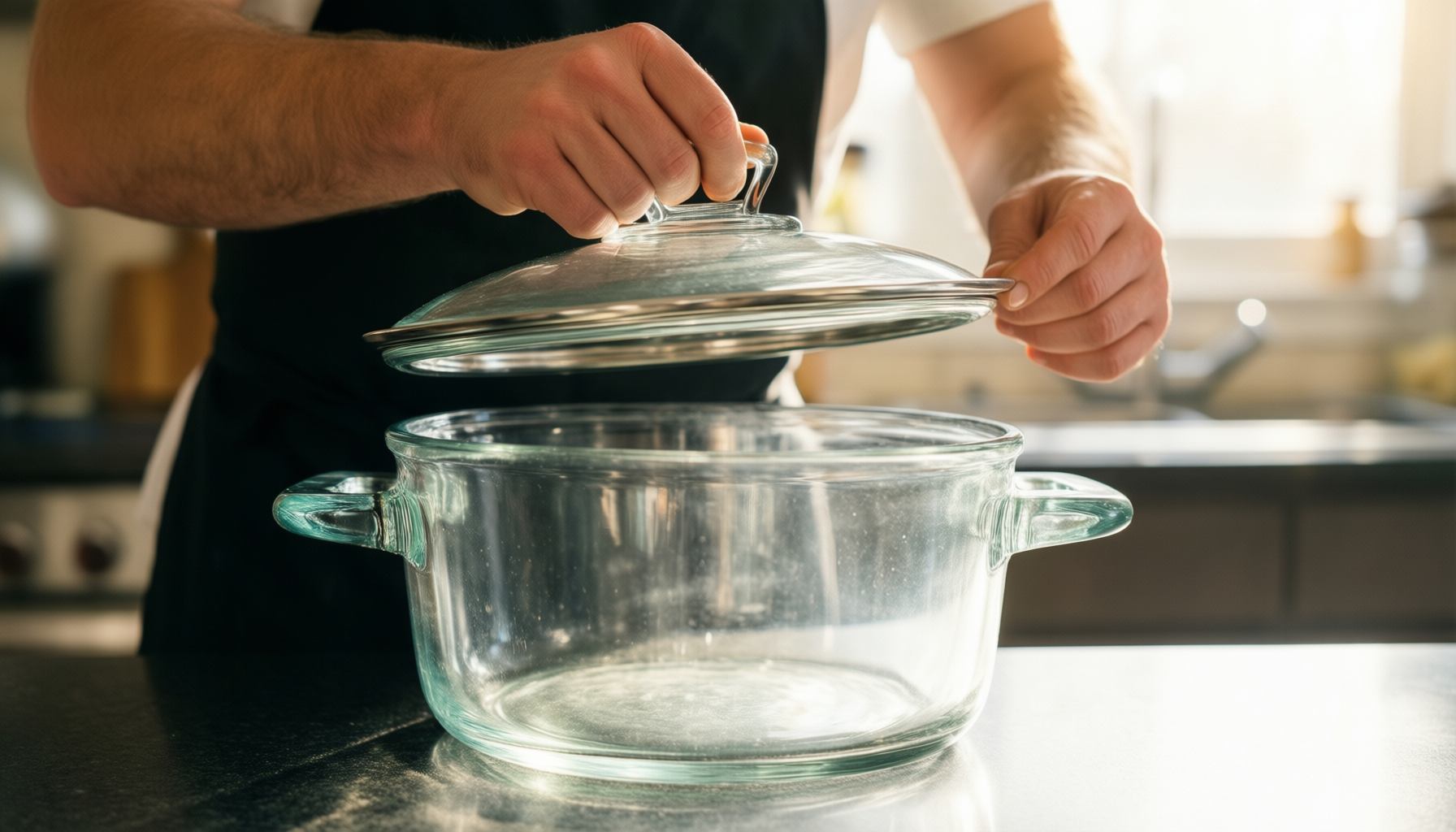
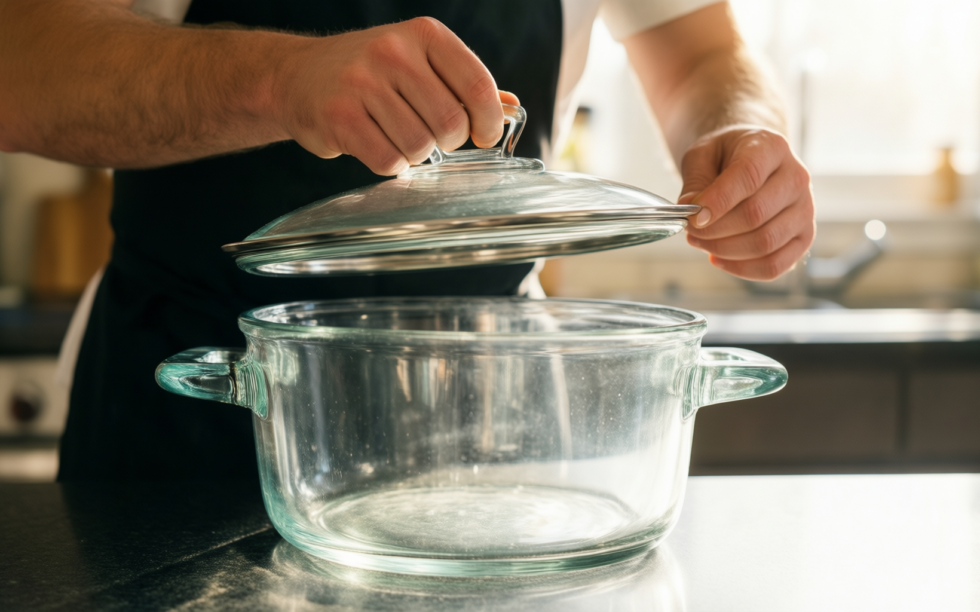
This 3.5L vessel solves the specific problem of monitoring liquid-based cooking without repeatedly lifting a heavy lid, a task that often leads to boilovers or heat loss. The standout feature is its see-through Pyroceram glass-ceramic construction, which allows you to watch the consistency of stews and soups in real-time. However, a key limitation is that it is not suitable for induction stovetops, which excludes a significant portion of modern UK kitchens. This product is best for home cooks who prioritize visual monitoring of slow-simmering liquids and have gas, electric, or ceramic hobs.
The primary advantage of using this specific model for long-simmering dishes like beef stews or vegetable soups lies in the non-reactive nature of the material. Because the Pyroceram glass-ceramic is non-porous, it does not absorb food odors or flavors, nor does it react with acid-based ingredients. This is particularly relevant for dishes that simmer for extended periods, where metal cookware can sometimes impart a metallic taste or alter the color of acidic components. For a family of four, the 3.5L capacity provides a practical volume that is large enough for a hearty meal but small enough to manage on a standard hob without risking overflow.
🛒 Check Price on Amazon →✓ See today's price & reviews
The visual transparency of the pot changes the cooking dynamic significantly. Instead of guessing whether a sauce has reduced or a soup has reached a boil, you can observe the liquid level and bubble intensity directly. This capability helps in avoiding the messy boilovers that are common with opaque pots when attention is diverted to other tasks. The brown, amber-colored glass also adds a distinct aesthetic to the kitchen, offering a warm tone that contrasts with the typical silver or black appearance of standard cookware.
Simmering Family-Size Stews Without the Metal Taste
While the transparency is a major benefit, it does require some adjustment in how you manage heat. The product description notes that medium heat is recommended for optimal cooking results, which aligns with the material’s excellent heat retention qualities. This means that once the contents are simmering, you can lower the flame to maintain a steady temperature without the risk of scorching. This efficiency is particularly useful for fuel-conscious cooks, as it reduces the energy required to maintain a simmer compared to materials that lose heat more rapidly.
Why Pyroceram Glass Outperforms Traditional Ceramic in Heat Retention
The material used in this stockpot is a pioneering glass-ceramic known for its thermal shock resistance. Unlike standard ceramic, which can crack under sudden temperature changes, Pyroceram is engineered to withstand extreme shifts in heat. This resilience allows the pot to move between the stovetop, oven, fridge, and freezer without the risk of breakage from thermal stress. For instance, you can place the pot in the freezer to store leftovers and then move it directly to the stovetop to reheat, a versatility that traditional ceramic or glassware often lacks.
The heat distribution in this material is distinct from heavy-gauge stainless steel. While stainless steel conducts heat quickly, it can also create hot spots if not stirred frequently. Pyroceram, on the other hand, retains heat evenly and releases it slowly, which is ideal for liquid-based cooking. This steady heat retention helps maintain a consistent simmer, preventing the rapid boiling that can break down delicate ingredients or cause scorching at the bottom of the pot. The result is a more controlled cooking environment that preserves the texture and flavor of the food.
When comparing this to other glass cookware, the see-through design is a key differentiator. Many glass pots are opaque or have limited visibility, requiring you to lift the lid to check on the food. This model’s transparency eliminates that need, allowing for continuous monitoring. This feature is particularly useful for recipes that require precise timing, such as reducing a sauce or ensuring that vegetables are tender but not mushy. The ability to see the food as it cooks minimizes the risk of overcooking, which can lead to nutrient loss and a less appealing texture.
Thermal Shock Resistance in Practice
The thermal shock resistance of Pyroceram is not just a marketing claim but a practical feature that enhances kitchen safety and convenience. The product description highlights that the material is highly resistant to breakage from sudden temperature changes. This means that you can use the pot for a variety of tasks without worrying about the integrity of the glass. For example, you can cook a soup on the stovetop, then place the entire pot, including the glass cover, into the oven to finish cooking or keep warm. This flexibility is a significant advantage over cookware that is limited to a single heat source.
The warranty provided by World Kitchen UK further underscores the confidence in this material. They promise to replace any glass-ceramic part that breaks from hot or cold temperatures within ten years of purchase. This long-term warranty reflects the durability of the Pyroceram material and provides peace of mind for buyers. It also suggests that the material is designed to last for many years, even with regular use and exposure to varying temperatures.
Heat Distribution Compared to Steel
One of the common concerns with glass cookware is whether it can handle high-heat cooking. While this stockpot is not designed for high-heat searing, its heat distribution is superior for low-to-medium heat applications. Unlike stainless steel, which can develop hot spots, Pyroceram maintains a more uniform temperature across the bottom and sides of the pot. This even heat distribution is crucial for slow-cooking dishes, where consistency is key. It ensures that the food cooks evenly without burning in one area while remaining undercooked in another.
The medium heat recommendation for optimal cooking results is a testament to the material’s efficiency. You do not need to crank up the heat to achieve a simmer, which saves energy and reduces the risk of scorching. This is particularly beneficial for cooks who are used to using high heat with metal pots, as it requires a shift in technique. However, once you adjust to the lower heat settings, you will find that the food cooks more gently and evenly, resulting in better flavor and texture.
Who Should Skip This Pot: Limitations for High-Heat Searing and Acidic Sauces
Despite its many advantages, this stockpot is not suitable for every type of cooking. The most significant limitation is its incompatibility with induction stovetops. If your kitchen is equipped with an induction hob, this product will not work, as Pyroceram glass-ceramic is not magnetic. This is a critical factor to consider before purchasing, especially in the UK where induction hobs are becoming increasingly common. If you rely on induction for your daily cooking, you will need to look for alternative cookware that is compatible with this heat source.
Another limitation is the lack of suitability for high-heat searing or browning meat directly in the pot. Pyroceram is designed for slow, even cooking and is not built to withstand the intense, direct heat required for searing. If you frequently cook dishes that require a high-heat sear, such as steaks or stir-fries, this pot will not be the right tool for the job. You may need to use a separate pan for searing and then transfer the ingredients to this stockpot for simmering. This two-step process can be inconvenient for cooks who prefer a one-pot solution.
While the non-reactive nature of the material is a benefit for most foods, it is worth noting that extremely acidic sauces cooked for very long periods may still require monitoring. Although the glass does not react with acids, the transparency allows you to see any changes in color or consistency, which can be a useful indicator. However, if you are used to cooking highly acidic tomato-based sauces in enameled cast iron, you may find that the glass pot requires more attention to prevent scorching, as it does not have the same heat capacity as heavy metal cookware.
Induction Compatibility Issues
The exclusion of induction stovetops is a major drawback for a significant number of modern kitchens. Induction hobs are known for their efficiency and precision, and many home cooks prefer them for their speed and control. Since this stockpot is not compatible with induction, it limits its versatility in households that have invested in this technology. If you are considering purchasing this product, it is essential to check your stovetop type first. If you have a gas, electric, halogen, or ceramic hob, you will be able to use this pot without any issues. However, if you have an induction hob, you will need to look for a different product that is specifically designed for induction cooking.
The lack of induction compatibility also means that you cannot take advantage of the rapid heating and cooling capabilities of induction hobs. This can affect the overall cooking time and energy efficiency, especially for dishes that require quick temperature changes. While the Pyroceram material is excellent for slow cooking, it may not be the best choice for cooks who value speed and flexibility in their kitchen.
High-Heat Cooking Constraints
The inability to use this pot for high-heat searing is another important consideration. If your cooking style involves a lot of browning, caramelizing, or searing, this stockpot will not meet your needs. Pyroceram is designed for gentle, even heat, which is ideal for soups, stews, and sauces, but not for high-heat applications. This means that you will need to use a separate pan for searing meat or vegetables before transferring them to the stockpot for simmering. This additional step can be time-consuming and may not be suitable for cooks who prefer a streamlined cooking process.
The material’s thermal properties also mean that it does not heat up as quickly as metal cookware. This can be a disadvantage for cooks who are used to the rapid heating of stainless steel or cast iron. However, once the pot is up to temperature, it maintains that heat well, which is beneficial for slow cooking. The key is to adjust your expectations and techniques to suit the material’s strengths rather than its limitations.
Glass vs. Metal: Durability and Cleaning Realities for UK Kitchens
The durability of Pyroceram glass-ceramic is a significant advantage over traditional glass and some metal cookware. The material is highly resistant to scratching and chipping, which means that it can withstand the rigors of daily use without showing signs of wear. Unlike enameled cast iron, which can chip if dropped, or stainless steel, which can scratch, this stockpot maintains its appearance and functionality over time. The non-porous surface also makes it easy to clean, as food particles do not stick to the glass as easily as they do to metal.
Cleaning this pot is straightforward, as it is dishwasher safe. This is a major convenience for busy households, as it eliminates the need for hand washing. The glass surface does not absorb odors or stains, which means that it remains hygienic and easy to maintain. Even if you are cooking strongly flavored dishes, such as curries or tomato sauces, the pot will not retain the smell or color, ensuring that your next meal is not affected by previous cooking. This is a significant benefit over metal cookware, which can sometimes retain odors and flavors.
The brown, neutral aesthetic of the pot also fits well with modern UK kitchen decors. The amber color adds a warm touch to the kitchen, contrasting with the typical silver or black appearance of standard cookware. This makes it not only a functional tool but also a decorative element that can enhance the look of your kitchen. The glass cover complements the pot, providing a cohesive design that is both practical and visually appealing.
Scratch Resistance and Longevity
The scratch resistance of Pyroceram is a key factor in its longevity. Unlike metal cookware, which can develop scratches that harbor bacteria and affect cooking performance, this glass-ceramic material remains smooth and intact over time. This means that you can use metal utensils without worrying about damaging the surface, although it is still advisable to use wooden or silicone utensils to preserve the finish. The durability of the material ensures that the pot will last for many years, even with regular use and cleaning.
The warranty provided by World Kitchen UK further supports the longevity of the product. The ten-year warranty on the glass-ceramic part reflects the confidence in the material’s durability. This long-term warranty is a testament to the quality of the product and provides peace of mind for buyers. It also suggests that the material is designed to withstand the demands of daily cooking without degrading over time.
Cleaning and Maintenance Tips
While the pot is dishwasher safe, hand washing can be more gentle on the glass surface. If you choose to hand wash, use a soft sponge or cloth to avoid scratching the glass. For stubborn stains or burnt-on food, you can soak the pot in warm, soapy water to loosen the residue before scrubbing. The non-porous nature of the glass means that stains do not penetrate the surface, making them easier to remove. Regular cleaning will help maintain the clarity of the glass and ensure that the pot remains hygienic and easy to use.
The glass cover is also dishwasher safe, which makes cleaning the entire set easy. The cover is made of Pyrex glass, which is also durable and resistant to thermal shock. This means that you can use the cover for both stovetop and oven cooking, providing versatility in your cooking options. The ease of cleaning and maintenance makes this stockpot a practical choice for busy households that value convenience and hygiene.
Maximizing the 3.5L Capacity for Slow Cooking and Batch Prep
The 3.5L capacity of this stockpot is ideal for slow cooking and batch preparation. It is large enough to cook a family-sized meal but small enough to fit on a standard hob without taking up too much space. This size is perfect for soups, stews, and sauces that require long, slow simmering. The even heat distribution of the Pyroceram material ensures that the food cooks evenly, resulting in a consistent texture and flavor. You can use the pot to cook large batches of food for the week, which is a great way to save time and money.
The glass lid is a key feature for maximizing the efficiency of the pot. It traps steam, which helps to reduce cooking time for root vegetables and other ingredients. The transparency of the lid allows you to monitor the cooking process without lifting it, which helps to retain heat and moisture. This is particularly useful for dishes that require a slow, steady simmer, such as stews and braises. The lid also helps to prevent boilovers, which can be a common issue with opaque pots.
Storage of the glass pot in standard UK kitchen cupboards is straightforward. The 27cm diameter and 12.25cm height make it a manageable size for most kitchen spaces. The glass material is lightweight compared to metal cookware, which makes it easy to store and retrieve. The brown color also blends well with other kitchen items, making it a versatile addition to your cookware collection.
Ideal Recipes for the 3.5L Size
The 3.5L size is perfect for a variety of recipes, including batch-cooking soups for the week. You can cook a large pot of vegetable soup, beef stew, or chicken curry, and then portion it out into containers for freezing. The non-reactive nature of the glass ensures that the flavors remain pure, without any metallic taste. This makes it an ideal tool for meal prep, allowing you to cook in bulk and save time during the week. The even heat distribution also ensures that the food cooks evenly, resulting in a consistent texture and flavor.
The pot is also suitable for cooking sauces and gravies that require long, slow simmering. The transparency of the glass allows you to monitor the consistency and color of the sauce, ensuring that it reaches the desired thickness. This is particularly useful for recipes that require precise timing, such as reducing a sauce or ensuring that the ingredients are tender. The ability to see the food as it cooks minimizes the risk of overcooking, which can lead to nutrient loss and a less appealing texture.
Lid Usage for Steam Trapping
The glass lid is a key feature for maximizing the efficiency of the pot. It traps steam, which helps to reduce cooking time for root vegetables and other ingredients. The transparency of the lid allows you to monitor the cooking process without lifting it, which helps to retain heat and moisture. This is particularly useful for dishes that require a slow, steady simmer, such as stews and braises. The lid also helps to prevent boilovers, which can be a common issue with opaque pots. By using the lid effectively, you can reduce the cooking time and energy required, making the pot a more efficient tool for your kitchen.
The lid is made of Pyrex glass, which is durable and resistant to thermal shock. This means that you can use the lid for both stovetop and oven cooking, providing versatility in your cooking options. The ease of cleaning and maintenance makes this stockpot a practical choice for busy households that value convenience and hygiene. The combination of the pot and lid creates a complete cooking system that is both functional and aesthetically pleasing.
Final Verdict
Who This Is Perfect For: This stockpot is an ideal choice for home cooks who primarily prepare liquid-based dishes such as soups, stews, and sauces and who value the ability to monitor the cooking process visually. It is particularly well-suited for households with gas, electric, halogen, or ceramic hobs, where the pot’s thermal shock resistance and even heat distribution can be fully utilized. The 3.5L capacity is a practical fit for family-sized meals and batch prep, and the non-reactive glass-ceramic material ensures that flavors remain pure without metallic interference.
Who Should Choose Alternatives: Buyers with induction stovetops should look for alternative cookware, as this Pyroceram pot is not magnetic and will not function on induction hobs. Additionally, cooks who frequently engage in high-heat searing, browning, or stir-frying will find this pot unsuitable for those tasks, as it is designed for low-to-medium heat applications. If your cooking style relies heavily on rapid temperature changes or direct high-heat browning, a stainless steel or cast iron pan would be a more appropriate tool.
🛒 Check Price on Amazon →✓ See today's price & reviews